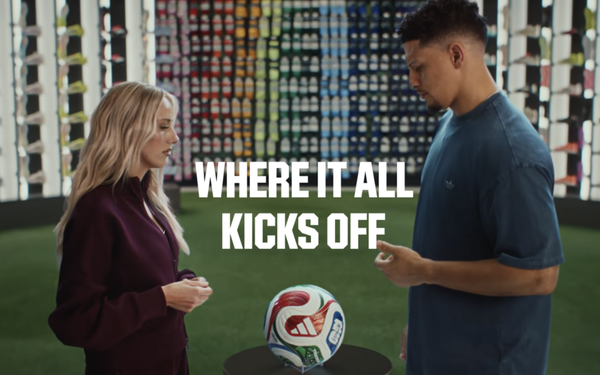
Dick’s Sporting Goods has been doing
so much right that this week’s second-quarter earnings call might well have been a victory lap. House of Sport, its large-format experiential concept, keeps outperforming, even as it steps up
expansion. The company’s intricately orchestrated World Cup activations hit every goal. And comparable sales rose 4.9%, driven by broad-based growth across categories, and increases in both
average ticket and transactions.
Instead, nervous investors sent the stock plummeting by as much as 30%, as the company revealed setbacks in its turnaround of Foot Locker. It can’t outrun
Nike’s problems, and it will have to discount much of the merchandise it has on hand. That resulted in Dick’s lowering its profit forecast for the full year.
The company is having
what chairman Ed Stack described as a footwear “hangover,” struggling to get rid of legacy lifestyle sneakers. "There are several suppliers that have got some inventory that have been
promoted on their sites, and it's spilled over into the marketplace,” he said on the company’s earnings call. “The market is going to continue to be promotional through the balance
of the year."
advertisement
advertisement
Sales of those lifestyle sneakers -- with their minimalist look -- had been solid at Dick’s, but their popularity is waning. So as Nike and other brands cut prices to move
them out, other brands (and retailers) need to lower their prices as well.
“With both competitors and manufacturers discounting to move excess inventory, Dick's is responding with
markdowns of its own,” writes David Swartz, an analyst who follows retail for Morningstar.
For the quarter, the Pittsburgh-based company says sales rose to $5.59 billion. Net income fell
to $315 million, from $381 million.
Dick’s, which bought Foot Locker a year ago for $2.4 billion, has been attempting to reset that banner. But quarterly sales dropped 3.6% this period,
a decline that seemed especially disheartening following the promising 0.6% gain it reported in the prior period. Most observers had expected a gain. And the company, which had previously
forecast a full-year increase for the division, lowered the bar and now expects results to come in between flat and a 2% dip.
Sneaker sales are soft everywhere. While Nike’s problems are
the most obvious, Stack also mentioned brands like Hoka and On are moving into promotional cycles. Last week, JD Sports saw its shares tumble after it reported weak sentiment and a slowdown in
shoes.
“Dick's dimmed outlook seemingly affirms the view of many investors that the Foot Locker deal was a mistake,” adds Swartz. “However, we think the acquisition will
create long-term value and that present issues are due to problems with Nike and the broader sportswear space.” And while price cuts will hurt profits, he says, “it is prudent to protect
share. Moreover, space is cleared for 2027 releases.”
“Rebuilding the Foot Locker business will probably take longer than initially anticipated,” writes analyst Neil
Saunders, from GlobalData Retail, a market research company, “which means the division will create a severe drag on performance in the short term.”
But both he and Swartz
seem confident that even with short-term choppiness at Foot Locker, the company is on solid ground. “The core business is powerful enough to produce some solid growth across the balance of this
year, even if it is diluted by Foot Locker,” Saunders writes. In addition to successes, including with House of Sport, “the refurbishment of existing stores – which is much needed in
some locations – will also provide upside.”
Still, he notes, reinventing a problematic subsidiary “puts Dick’s in a very different position and will color its
valuation."