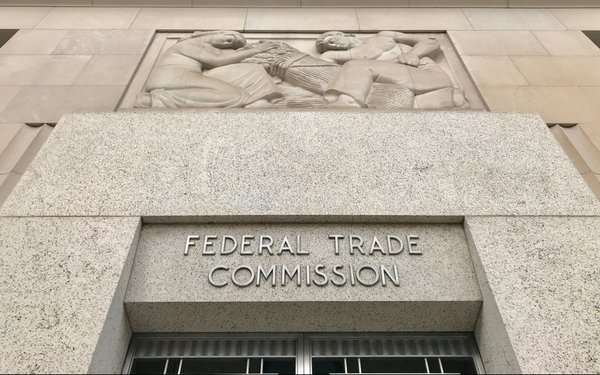
The Federal Trade Commission should withdraw a
proposal that would require companies to disclose their use of personalized pricing in some circumstances, the tech industry group NetChoice says.
In comments filed with the
agency late last week, NetChoice argues that the commission lacks evidence of "a widespread problem warranting economy-wide enforcement policy."
The filing comes in response to an FTC proposal issued last month that would disclose when companies use consumers' personal information
to set individualized prices -- but only in situations where personalized pricing would come as a surprise.
When the FTC issued the proposal, the agency stated that
personalized pricing "is a long-established norm in some markets," but not "in many others."
advertisement
advertisement
"Personalized pricing in the latter markets would therefore run contrary to
longstanding practice and consumers’ reasonable expectations that the price they see for a product or service is the same price that any other consumer at the same place and time would see," the
FTC wrote in its proposal.
But NetChoice, which represent large platforms including Amazon, Meta and Google, argues that the FTC failed to offer any studies or surveys to
support its premise that consumers "'reasonably expect' the price they see to be the same price every other consumer sees at the same place and time."
"American consumers
routinely encounter and embrace prices that vary by person: loyalty and membership pricing, first-time-customer offers, student and senior discounts, app-exclusive coupons, cart-abandonment
promotions, credit-based financing terms, and negotiated prices in entire sectors from automobiles to insurance" NetChoice writes.
The organization adds that before the FTC
sets out a new policy, it "must" first determine what consumers actually expect, whether those expectations are "reasonable," and whether personalized pricing is deceptive.
NetChoice also says warnings that prices are personalized will lead consumers to think they are being overcharged, even if they're actually getting a discount.
"Mandating alarm-inducing language in beneficial transactions does not correct a deception but creates confusion, inducing consumers to abandon savings out of manufactured suspicion,"
NetChoice contends.
Numerous other groups, including ad industry organizations, have also weighed in on the proposal.
The Association of National
Advertisers, American Association of Advertising Agencies and American Advertising Federation argued that the proposal is too vague, and urged the FTC to clarify what
specific pricing practices it could regulate.
The advocacy group Consumer Reports, which opposes personalized pricing, said in its filing that disclosures alone will not
protect consumers.
"Personalized pricing is a pressing consumer protection issue; it can harm consumers and break the way that markets for consumer goods and services are
supposed to function," Consumer Reports wrote.