Anyone expecting Nike’s
ongoing turnaround effort to start showing promise got disappointing news. First, there were first-quarter results, with revenues missing expectations. Next came a full-year forecast, predicting sales
will continue to fall in the high-single digits in the year ahead. And then there were management comments, outlining a transformation plan that will deliver savings in the form of layoffs.
There was good news, too, especially from Nike’s performance division in running and football, including successful World Cup-related sales. There was also plenty of energy, including
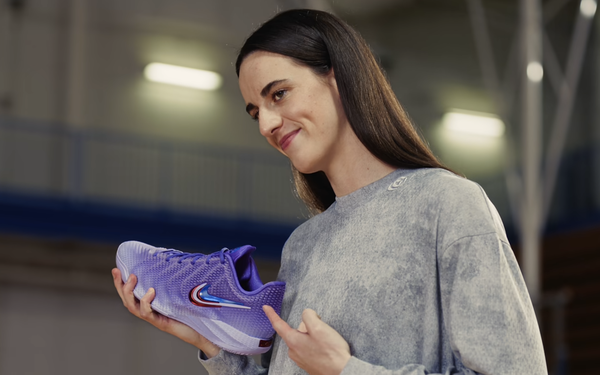
enthusiasm for the just-released Caitlin Clark shoe, the largest women's signature shoe launch in the company’s history.
But there was no getting around the scope of Nike’s
problems, and the news that solving them will take considerably longer than expected.
advertisement
advertisement
The company’s first-quarter revenues fell 4% to $11.2 billion, below expectations. Net income dipped
2% to $700 million.
Nike brand revenues also fell 4%, to $11 billion, primarily due to declines in Greater China and EMEA.
And the nosedive at Converse continues, with sales falling
28% to $263 million.
The company expects the bad news to stretch throughout the fiscal year, with sales forecast to decline in the high single digits.
“We're taking deliberate
actions to strengthen those businesses, but realizing the full benefit of those efforts will take time,” said Elliott Hill, president and CEO, in the earnings call.
It introduced Pace, a
new transformation plan to accelerate transformation, which will result in layoffs beginning in 2027.
Hill said Nike Sportswear, which accounted for just under half of this quarter's revenue,
was down low double digits. “Overall, there's a lack of energy in the lifestyle space right now, which is impacting traffic,” he said. “Yes, the consumer is cautious, but as the
leader in the industry, it's on us to bring more creativity to sportswear.”
At Jordan Brand footwear, which represents 13% of the company’s global business, revenues fell by the
mid-teens this quarter. He said the goal is to get back to the brand’s scarcity model. “We've been oversupplying our iconic retro products, asking them to do too much,” he said.
And in China, where revenue fell 26%, a new management team is “moving with urgency.” Still, Hill said he expects the digital cleanup of inventory levels will take “multiple
seasons.”
Neil Saunders, managing director of GlobalData, called the results “somber.” “A forecast of high-single-digit revenue decline across the whole year suggests
things will get worse before they get better,” he wrote. And while some of the sales decreases are beneficial, as it reengineers channels and product mix, “too much of it has also come
down to the fact that Nike’s brand heat continues to fade and it isn’t powerful enough to punch back against more nimble competitors.”