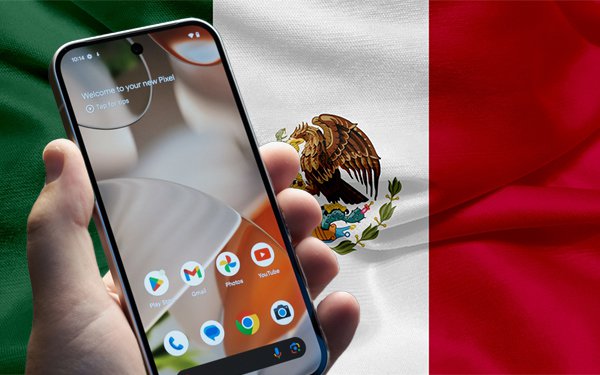
Mexico's National Antitrust
Commission has ordered Google to end restrictive contracts around its Android operating system for original equipment manufacturers (OEMS), a move that could theoretically restructure the mobile
ecosystem that supports media buying and delivers ads on mobile in the Mexican market.
The commission accepted formal commitments from Google to remove contractual restrictions that had
previously prevented manufacturers from distributing mobile devices with alternative operating systems.
The change dismantles longstanding barriers to entry for competitors and
allows original equipment manufacturers to adopt alternative operating systems (OS) while running Google Mobile Services (GMS).
The idea is to increase innovation and global competition and
reduce costs for OEMs for devices running Android systems, the antitrust commission stated.
The National Antitrust Commission stated that Google must remove certain contractual
restrictions in its contracts for mobile device manufacturers, allowing them to freely manufacture and distribute devices with operating systems other than Android.
advertisement
advertisement
The decision centers on Google’s anti-fragmentation agreements or Android
Compatibility Commitments (ACCs).
It refers to a series of contractual clauses that Google historically used to prevent hardware manufacturers from developing or selling
devices running modified versions of the Android operating system.
The order could potentially increase the use of apps from rivals like
Microsoft.
In 2025, Mexico changed its competition laws to allow for stricter compliance
verification procedures, which include audits and mandatory reporting by companies.
The
commission also looked into ecommerce platforms such as Amazon, and Mercado Libre; digital advertising and search services, app store payment mechanisms and digital content
distribution.