Google will give advertisers more control and transparency
over “text guidelines” for some AI-powered campaigns.
The company plans to roll out the feature in beta to all AI Max for Search and Performance Max customers, globally. It was
previously offered to a limited number of advertisers.
The move will enable more advertisers to define terms or concepts to accept or avoid in specific campaigns, to ensure that
AI-generated assets correctly represent the brand in tone, language preferences, and compliance requirements when generating the ad text.
As "text customization" matches the creative with intent, while "text guidelines" ensures that the message remains
on-brand.
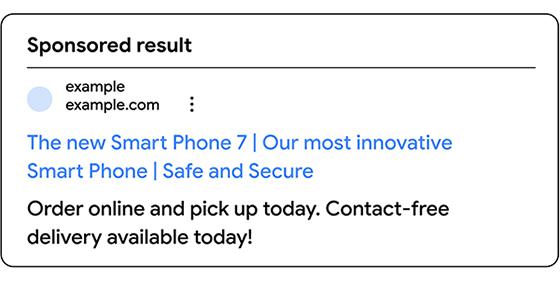
Advertisers provide header and description assets such as "The new Smart Phone," "Our most innovative Smart Phone yet" or "Safe and secure."
Then Google
automatically creates headline and description assets such as "Impressive from every angle," "Trade-in offers available," or "Several colors to choose from."
advertisement
advertisement
Google’s commitment to bring
smarter optimization and greater transparency to AI-powered campaigns became a theme for the company throughout 2025.
Executives at Google throughout the year characterized the strategy
as the industry transitioning through a fundamental shift from manual to automated campaign management. The focus became policy and tool updates to address advertiser demands for better return on
investments, transparency and control.
Brands like BYD Company, a Chinese multinational manufacturer, have already begun to see
improvements. These controls within AI Max scale creative without sacrificing their brand standards, according to Google.
The company leads by 24% at a 26% lower cost, and text guidelines
safeguarded their brand standards.
Customizing text matches creative with intent, and the text
guidelines feature can remain precisely on-brand.
Input to Google AI can define specific terms to exclude or concepts to avoid, in the user’s own words -- with rules like
“don’t imply our products are cheap” or “don’t use language like 'only for'.” The company is exploring more ways for you to guide AI using everyday language,
according to Google.
As Google Ads further supports AI-powered creative, this is an answer to advertisers request for stronger brand safety and message consistency controls.