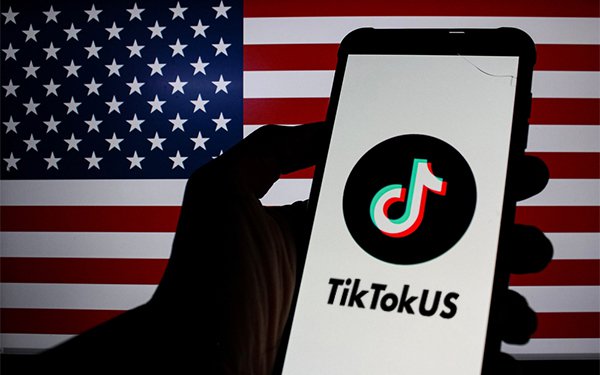
In line with previous reports leading up to the January selloff deadline, a consortium of
investors -- including U.S.-based tech company Oracle and private equity firm Silver Lake, as well as Abu Dhabi-based investment firm MGX -- will share a collective 45% ownership stake in the U.S.
version of TikTok under the title “TikTok USDS Joint Venture LLC.”
Additional investors include Michael Dell, owner of Dell Technologies.
One third of the U.S. entity is to
be owned by affiliates of existing ByteDance investors, while 19.9% of the company's ownership will remain in the possession of ByteDance.
The venture's CEO will be Adam Presser, who
previously held the title of head of operations and trust and safety at TikTok.
advertisement
advertisement
Presser will work with a board of directors made up of seven members, most of whom are in the U.S. The board
also includes TikTok CEO Shou Chew.
The new, nationalized version of TikTok will operate under “defined safeguards that protect national security through comprehensive data protections,
algorithm security, content moderation and software assurances for U.S. users,” according to a company statement.
Moving forward, TikTok users in the U.S. will be able to continue using
the same app on mobile devices and the web.
Oracle will store all data derived from the U.S.-based TikTok app in its cloud-computing data centers, while overseeing a recreation of
TikTok’s original algorithm now based solely on U.S. user data to ensure the content feed is free from outside manipulation, per a company statement.
TikTok U.S. entities will also be in
charge of managing the new platform's advertising, e-commerce, marketing and product interoperability across the globe.
The deal between the White House and ByteDance adheres to the Protecting
Americans from Foreign Adversary Controlled Applications Act passed by Congress in 2024, which, despite ByteDance's ongoing involvement in the U.S. TikTok app, prohibits “any cooperation with
respect to the operation of a content recommendation algorithm” between American ownership and ByteDance.
Since the law was passed, President Donald Trump has issued several legally
dubious executive orders extending the selloff of the short-form video-sharing app, the first of which was signed on the first day of Trump's second term as U.S. President.
However, with the
deal officially closed, the realities of an American TikTok app still remain theoretical.
“Even though a deal has finally gone through, there are still plenty of unknowns regarding
TikTok's future in the US,” states Emarketer analyst Minda Smiley, pointing to potential setbacks for the venture, including further scrutiny from lawmakers, impacted user engagement, and
overall app functionality.
Democratic Senator Ed Markey, of Massachusetts, for example, said Friday that the final deal “raises many more questions than answers.”
“Despite my repeated requests for information, the White House has provided virtually no details about this agreement, including whether TikTok's algorithm is truly free of Chinese
influence,” Markey added.
“No matter what, the new TikTok will be different than it is today,” Scott Sutton, CEO of influencer marketing company Later, told MediaPost in
September. “Which is the biggest threat and opportunity for brands, vendors, and creators in the space.”
“The interesting thing is that the training data will fundamentally
change because your audience is only in the U.S., so creators are going to be creating content for U.S. audiences,” Sutton said, adding that the new national TikTok app could potentially
“cut off huge sources of content for huge swaths of audiences,” while also impacting vendors on TikTok Shop and creator brand deals.
According to Sutton, “there are a variety
of decisions that have to happen for this platform to be successful; the app experience, political backlash, and/or user backlash could be present.”
Evan Wray, president of Later,
reached out to MediaPost on Friday, stating that with the TikTok deal finalized, "marketers have a new algorithm to contend with, which could change the approach they need to take for their creator
and ad campaigns."
Wray believes this will not make a major difference in marketing strategies until later on, as the Oracle-trained algorithm diverges from the ByteDance
version.
"We don't anticipate any near-term changes for users or creators," Wray adds, "but it's something we may see in the long-term and should keep an eye out for in the months to
come."