Understanding how digital discovery is
evolving has always mattered in marketing. But in 2026, the challenge marketers face isn’t the disappearance of search; it’s the redistribution of attention.
Organizations that struggle won’t just lose traffic. They will still be optimizing for an environment that no longer exists.
Discovery no longer guarantees
a visit
For years, marketers followed a predictable order: get people to the website first, and then convince them to act. In 2026, that sequence is breaking apart.
Answers now appear directly inside AI summaries, meaning people aren’t visiting sites for answers. They’re staying on search engines longer, reading AI summaries to inform their
decision-making.
advertisement
advertisement
People are still searching, but they’re reaching conclusions sooner, making website visits more selective and more meaningful. With fewer users, each interaction carries
greater weight. Optimization is no longer about improving large flows of traffic but about earning outcomes from limited opportunities.
AI is shaping decisions before the first
click
Before visiting a website, people research the topic (or company) on social media or in Google SERPs. And since AI has become the first option for summarizing what people
are looking for, they hardly visit websites anymore.
LLMs do the work for the user, highlighting preferred answers and filtering what the user sees next. By the time someone reaches a
website, it’s only after significant research.
The first impression is no longer on the homepage or landing page. It’s the credibility behind the brands that then influences
the AI crawling the internet. Marketers who understand this are shifting away from simple visibility and toward building authority, enabling LLMs to recognize companies as experts in their
fields.
Less traffic makes intent impossible to ignore
Visitors to websites often carry a clearer intent: comparing specifics, validating trust, or
confirming readiness to act. If a page doesn’t immediately reflect that intent, they’ll leave without hesitation.
That intent makes precision the center of modern conversion
rate optimization (CRO). Optimization is no longer about convincing undecided visitors toward action; it’s about recognizing decided visitors and removing anything that slows them
down.
The conversion journey is moving inward
Website visitors don’t need to be sold as heavily as before; if they’re there, they’re
almost convinced. Instead, websites should focus on completing the journey and making it easier to act. Losing a high-intent visitor to poor navigation translates to a direct loss of
revenue.
Conversion optimization must now extend into the full experience of how users find what they need after arrival.
The real shift in CRO
Less reliable traffic doesn’t kill conversion optimization. It just changes what good optimization looks like.
In lower-traffic environments, the primary focus should be on authority.
Being clear replaces clever techniques. Staying relevant is better than being persuasive. Trust, ultimately, is better than superficial promises. Optimization becomes more about ensuring every visit
fulfills its purpose.
In 2026, the question isn’t whether search traffic is declining (in many places, it already is). It’s whether marketers are willing to rethink CRO when
research happens before they even reach your website.
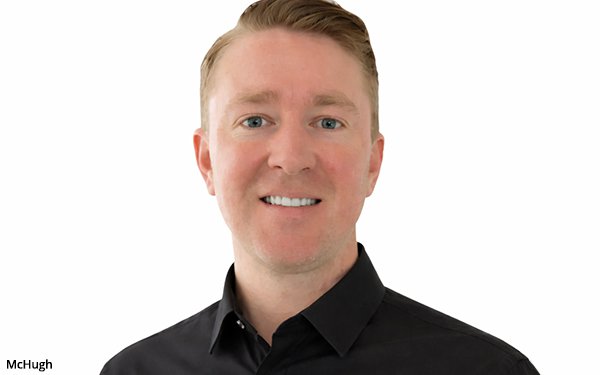
Ryan McHugh is a seasoned Conversion Rate Optimization leader currently
serving as Director of CRO at NP Digital. With more than a decade of agency experience spanning CRO and UX strategy, Ryan has built and led high-performing
experimentation programs that drive measurable revenue growth.
If you’re interested in submitting content for future editions, please reach out to our Managing Editor,
Barbie Romero at Barbie@MediaPost.com.