The era that helped Google dominate search maybe ending for
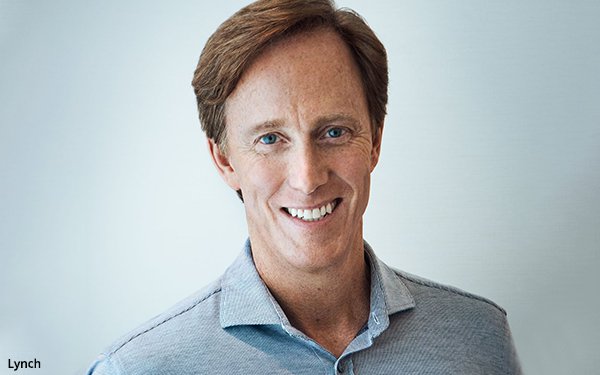
Condé Nast. The publisher of major brands such Vogue and The New Yorker is already pivoting to a post-search business model with CEO Roger Lynch
at the helm.
Lynch is preparing for a future where Google search is “no longer a meaningful driver” of the publisher's business. He described Google’s introduction of AI
Overview summaries as “another sort of death blow” in search traffic.
“We assume very dramatic continued declines in search traffic, to the point where in a couple of
years it’s just not a meaningful driver of our traffic,” Lynch told the Financial Times (FT).
The shift demonstrates changes in publishing since generative AI tools began
being used to search information and make purchases online.
advertisement
advertisement
Lynch said Condé Nast increased its revenue last year, although search traffic declined more than expected.
He
attributed the increase to strong growth in subscriptions and other areas.
Condé Nast has licensing agreements separately with OpenAI and Amazon, but has not yet reached a deal with
Google. The publisher inked a multiyear partnership with OpenAI in 2024, and and then Amazon in 2025.
Even back in July 2025, a Pew
Research study suggested that when an Google AI Overview (AIO) is featured at the top of Google’s search page, only 1% of users click on the links it cites.
AIOs also reduced
the power of organic search results that appear below them. Just 8% of users click on the blue links under an AIO, compared with 15% who click a link when there’s no AIO present, according to
Pew.
Lynch criticized an arrangement where publishers must opt out of Google search in order to prevent their content from being scraped for AI-generated summaries.
In his annual memo,
Lynch on Friday described the company's growth strategy to carefully manage costs. In the coming year, the company expects to concentrate its resources in places where it has clear competitive
advantages and is primed for long-term growth.
In the future, search will play a diminished role for Condé Nast
publications.
Allowing publishers to opt out of AI Overviews without affecting search is a "huge engineering project,: Sulina Connal, Google’s managing director leading news and
books partnerships in Europe, told publishers early in February.
Connal spoke at the FT Strategies News in the Digital Age conference in early February. The Financial Times became the latest publisher to join Google’s group of AI deals, reported PressGazette.
The
deals are believed to include cash payments to publishers and "extended display rights and content delivery methods like APIs" announced in December.
The Guardian and The
Washington Post were among the publishers that had already signed up.