Apple spent
this week doing something it almost never does: competing on price.
In a flurry of new-product launches, the company unveiled both the iPhone 17e and the MacBook Neo at $599 — its most
affordable smartphone and laptop ever.
The launch comes at a time when the consumer electronics market is facing what IDC is predicting: large contractions in smartphones, with worldwide
shipments forecast to decline nearly 13% in 2026, driven by a memory chip shortage that is hitting low-end Android manufacturers hardest.
That last part matters. IDC analysts say Apple and
Samsung are among the best-positioned companies to not only weather the crisis, but to gain market share as smaller competitors struggle with rising component costs they can't absorb. In other words,
maybe Apple isn't going downmarket because it's under pressure. It may be going downmarket because it can.
advertisement
advertisement
Ads, running on the
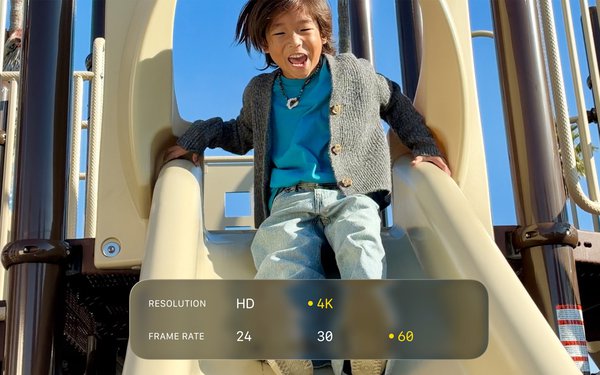
company’s owned channels, dive deep into the phone’s impressive capabilities, and promise the new phone can deliver “a whole lot more for a lot less.”
The launches come
as Best Buy reported a fourth-quarter comparable sales decline of 0.8%, citing "slightly softer customer demand" during the holiday season — a reminder that the broader retail environment for
consumer electronics remains uncertain heading into 2026.
Pricing on the MacBook Neo, a new 13-inch, more affordable laptop, even came in a bit cheaper than observers expected, writes Dan
Ives, who follows Apple for Wedbush Securities. “With nearly half of Mac buyers still new to the platform, we believe this will provide incremental upside to Mac estimates as it addresses all
consumers looking to upgrade their laptops.”
For marketers, the question Apple's week of announcements raises isn't whether the products are good. It's whether a brand that spent four
decades selling aspiration can now sell accessibility — without giving anything up.
The memory chip crisis will impact smartphones most profoundly. It “will cause more than a
temporary decline,” said Nabila Popal, a senior research director at IDC, in the report. “It marks a structural reset of the entire market, fundamentally reshaping [the] long-term
total addressable market, the vendor landscape, and the product mix.”