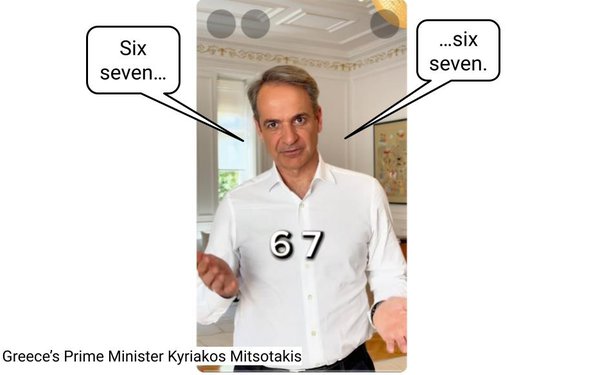
In line with numerous other nations across the globe, Greece
will impose a social-media ban on anyone under the age of 15, with Prime Minister Kyriakos Mitsotakis citing concerns surrounding proper sleeping habits, anxiety and phone addiction among younger
teens.
“I talk to a lot of parents who say roughly the same thing: that their children aren’t sleeping
properly, get anxious easily, are on their phones a lot,” Mitsotakis said in a TikTok video. “I also talk to a lot of you who say you’re tired of comparisons, of comments, of the constant pressure to be there all the time.”
advertisement
advertisement
According to the Greek leader’s announcement, the ban will go into effect on January 1, 2027 and will not include messaging apps.
While Mitsotakis has yet to specify which social media platforms will be banned among the 14-and-under age group, Greece’s Digital Governance Minister Dimitris
Papastergiou stated that the social media companies would be required by law to uphold the country’s new restrictions via age verification processes.
In addition, Greek parents will be instructed to download Kids Wallet, an app that pairs to their child’s
devices, blocking access to selected social-media platforms.
If these social media companies fail to comply,
they will be fined under the European Union’s Digital Services Act.
Mitsotakis added that the
country’s goal in enforcing a social-media ban will “push the European Union in this direction as well.”
Greece’s proposed ban will
follow similar bans enforced by Indonesia, Austria, and Australia over the course of last year, which impacted platforms including Instagram, TikTok, YouTube, X and Reddit.
The U.K., Denmark, Slovenia, Germany, Spain
and France have also drafted proposals regarding nationwide bans, while various states in the U.S. do the same.
However, as more countries draft legislation, the effectiveness of social-media bans compared to stricter regulatory actions has yet to deliver proven impacts on teen health, with experts,
politicians, tech leaders and consumers sharing opposing views on the matter.
For example, Victoria Nash, associate professor and senior policy fellow at the
Oxford Internet Institute, told CNN on Wednesday that banning teens
from social media could alienate them from news and positive aspects of social apps, worrying that children will migrate to less regulated areas of the internet without proper protections.
Whereas last month Pinterest CEO Bill Ready called on governments to ban social media for users under 16 due to
companies' "insufficient forethought about the consequences” they are allegedly inflicting on children. Notably, Pinterest was not among the apps banned in Australia.
Regardless of whether social media bans would help or hurt younger users, reports have surfaced of banned teens
working around restrictions, finding ways to still access these platforms via VPNs, which hide users’ locations to avoid national restrictions.
Finally, while social media giants losing younger audiences in certain nations eradicates just a sliver of their
global user counts, advertiser strategies could be disrupted.
Brands may find it more difficult to reach younger generations and specific demographics, with potential hikes in ad
prices and the need to stay aware of nation- and state-specific policy changes.