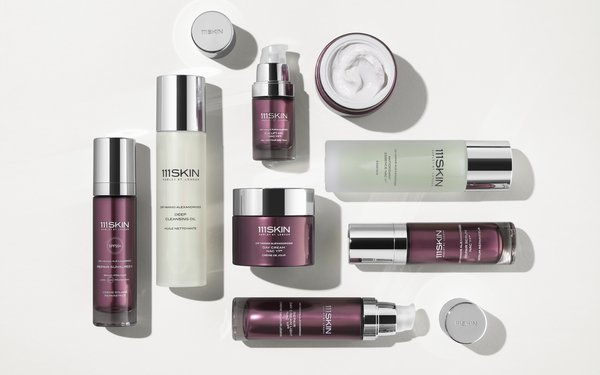
Estée Lauder is taking a
minority stake in 111Skin, a luxury clinical skincare brand founded by plastic surgeon Dr. Yannis Alexandrides, in its latest bid to modernize a portfolio that's been losing ground in a critical
beauty category. The deal, terms undisclosed, drops Lauder into a brand built around post-procedure recovery science — and priced from $50 to $1,000.
The timing is pointed. Industrywide,
prestige skincare was the fastest-growing category by units last year, posting 3% dollar growth, reports Circana, the market research company. At Lauder, it was a different story: Fragrance led
the quarter with a 14% sales jump, followed by makeup, up 4%. Skincare, meanwhile, was virtually flat, with brands like La Mer (which has long had car-payment-sized price tags) and The Ordinary, an
affordable line, gaining sales. But Clinique and Origins posted notable declines.
advertisement
advertisement
Enter 111Skin. The brand, which distributes through Harrods, Bluemercury, Nordstrom and high-end spa partners
including Mandarin Oriental and Aman, has built its following on what CEO Stéphane de La Faverie called "the convergence of procedures, longevity and beauty," a corner of the market where
clinical credibility drives purchases and consumers aren't flinching at four-figure price tags. North America represents roughly 40% of 111Skin's 2025 sales, with a meaningful presence in China, the
U.K. and across Asia Pacific.
The investment comes as Lauder is starting to quiet its skeptics, committing to stepped-up spending in R&D and marketing. The company just posted a 5% net
sales gain in its fiscal third quarter, to $3.71 billion, with gross profit up 7%.
Morningstar analyst Erin Lash sees the brand investment thesis playing out. "The market is reluctant to
believe Estee can expand margins while accelerating brand spending," she writes — but recent share gains in the U.S. and China suggest otherwise. She projects Lauder will direct roughly 30% of
sales to R&D and marketing annually to keep its brands competitive at retail and with consumers.
That 30% matters to brand-marketing believers everywhere, who are increasingly having to
defend their budgets. Lauder’s share gains in the U.S., China, Japan, Korea and Western Europe last quarter suggest the spending is working — and that the company's instinct to invest
through the headwinds, rather than cut its way to recovery, Lash says, “are beginning to take hold.”