GameStop's $56 billion bid for eBay is generating all the eyerolling and snarky online commentary one might have expected. GameStop, the perennial meme-stock punchline and beloved brand of Reddit's
many investor bros, added to the derision with a testy CNBC interview in which GameStop CEO Ryan Cohen skirted questions about financing the deal, saying he didn't understand the questions.
The numbers make the skepticism easy to understand. GameStop carries a market capitalization of roughly $12 billion. EBay is valued at approximately $46 billion. Pundits have been reaching for
aquatic “minnow swallows whale” metaphors ever since.
But buried inside the unsolicited offer is an argument that marketers will find worth taking a look at — even if the
deal itself never closes. GameStop's core case against eBay isn't about assets or synergies. It's about marketing efficiency. Specifically, GameStop notes that EBay spent $2.4 billion on sales and
marketing in fiscal 2025 while adding exactly one million net active buyers — a gain of less than 0.75%, from 134 million to 135 million. GameStop's proposed remedy: cut the marketing budget
roughly in half, saving $1.2 billion annually. "More spend is not producing more users on a marketplace with near-universal brand recognition," the proposal states flatly.
advertisement
advertisement
It's a pointed
critique, but one that misreads what that marketing spend was actually doing, Neil Saunders, managing director of GlobalData, writes. The budget, he notes, helped retain and activate
existing buyers and sellers on the platform in a significantly more competitive environment — and cutting it could have had unforeseen consequences.
This point is also, at least
partially, already being addressed. EBay's first quarter 2026 results tell a different story than GameStop's diagnosis suggests. Revenue was up 19%, GMV grew 18%, and the company beat expectations.
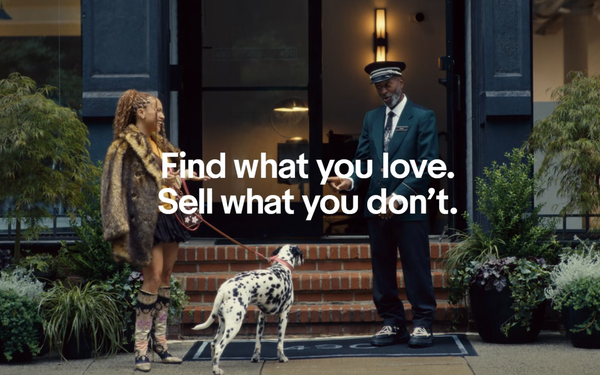
More telling for marketers: EBay has been aggressively pivoting toward exactly the kind of brand relevance GameStop claims it lacks, acquiring Depop to reach younger consumers, expanding its eBay Live
shopping experience to three new countries, and collaborating with Vogue on vintage pop-ups in New York, London and Berlin.
That doesn't sound like a marketing operation in crisis. It
sounds like one mid-reinvention, which makes GameStop's bid either prescient — identifying a real strategic vulnerability before the turnaround fully takes hold — or simply late. Either
way, the marketing argument at the heart of this unlikely takeover attempt is the most interesting thing about it, whether or not Ryan Cohen ever figures out how to answer the financing questions.