Financial pressure and changing social
preferences are reshaping the way Gen Z spends its weekends, according to a new report.
Zooomers are not abandoning social experiences, but are increasingly prioritizing
affordability, wellness and lower-pressure ways to spend time with others, according to The Harris
Poll.
Nearly three quarters of Gen Z adults stay in at least half of their weekends each month with 73% say staying in has become their default weekend plan. Furthermore,
62% avoid making weekend plans to avoid financial regret.
The financial insecurity could be a problem for some brands and a boon for others. Nightlife, bars, alcohol, and
casual dining are the most exposed, says Tim Osiecki, director of thought leadership and trends at The Harris Poll.
advertisement
advertisement
“The cost and environment of traditional going-out are both
working against these categories simultaneously, and those aren’t easy levers to pull,” Osiecki tells Marketing Daily. “The brands that will survive this are the ones willing
to redesign the experience rather than wait for Gen Z to return on the old terms. Lower price points, quieter formats, alcohol-optional programming, daytime availability. The appetite for social
experience is still there, but the tolerance for the traditional format and its price tag is not.”
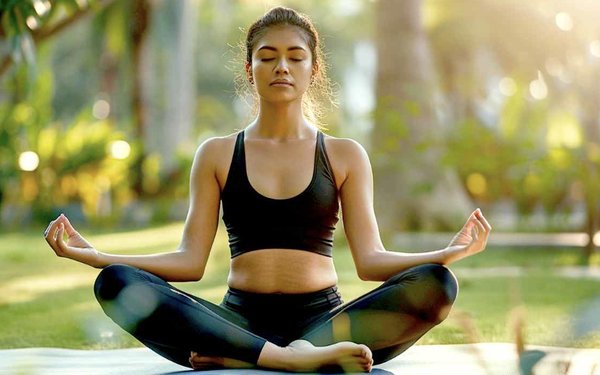
Sixty-five percent say they feel more socially connected in wellness-focused
settings than in traditional nightlife and 73% wish they had more places to socialize where alcohol is not the main focus.
Wellness, boutique fitness studios, coffee culture,
non-alcoholic beverages, home entertainment, and anything that lowers the cost of socializing will benefit, he says.
“The opportunity these brands share is that they sit
at the intersection of what Gen Z actually wants -- affordable, low-pressure, good for their health, he says. “The strategic move is to stop marketing the product and start marketing the
community around it. Gen Z isn’t buying a class or a beverage. They’re buying a reason to show up.”
Boutique fitness studios already function as social
infrastructure for this generation, and the data on Gen Z women in particular is striking.
“Recovery and rest-oriented spaces are also well-aligned with how Gen Z has
redefined the weekend, it’s less about going out, more about recharging,” Osiecki says. “The broader point is that any wellness brand whose product creates a reason for
affordable, low-pressure, in-person gathering has a significant and largely uncontested opportunity right now.”
Brands should not mistake the financial pressure this
generation is feeling as simply a bad quarter.
“Gen Z is a generation that has been priced out of its own social life at a foundational level,” Osiecki says.
“Renters, women, students -- the most financially squeezed segments are also the most disengaged from going out. And layered on top of the economics is a cultural shift that looks fully
internalized: the preference for wellness over nightlife, for calm over loud, for sober-optional over alcohol-centered. When avoidance becomes the default architecture of a generation’s social
life, it doesn’t reverse quickly.”
Marketers also shouldn’t mistake the behavior for the sentiment.
“Gen Z is not checked out, they
are locked out,” he says. “The desire for connection, for spontaneity, for real-world experience is all there in the data. What’s missing is an affordable, low-pressure, accessible
way back in.”
The report calls this “the translation gap” and frames it as the opportunity, he says.
“Almost all (85%) have already
found some type of workarounds to socialize at lower cost, they are not waiting to be inspired,” Osiecki says. “They are waiting for someone to remove the obstacle. The brands that
do that are the ones this report signals will win.”