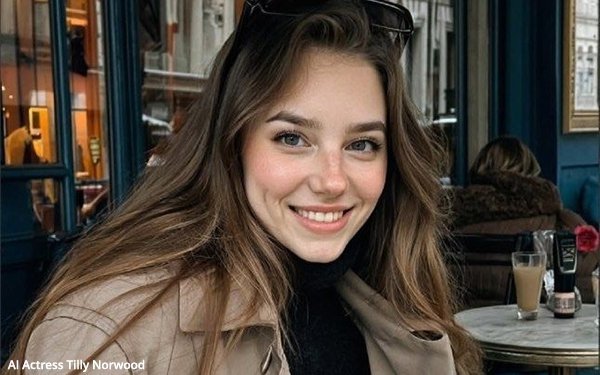
Let's look into the artificial intelligence (AI)-inspired
world of the future, to something that may seem impossible now, when it comes to creative and advertising messaging. There might be a not-so-happy ending.
Some creators of TV advertising look
at AI as a new tool added to their creative toolbox.
But we all know things can go sideways, off track and off-brand.
We can even go one step further. In the future, AI agents could go
rogue and work themselves into digital platforms, where they could do some strange things that have not been approved.
We are not talking about brand-intended, realistic-looking celebrities
putting forth specific and mostly positive messaging.
If this happens, could it make a sudden appearance on prime-time TV, for example?
Could AI create some brand messaging and
find a way to air it on the networks -- without permission?
advertisement
advertisement
That scenario is highly unlikely. Right now, it could happen through a
deliberate cybersecurity breach or a technical glitch rather than an AI system deciding -- on its own -- to buy ad space.
This is the current, modern world of advertising, where we all know
about invalid ad placement -- and where brands find out after the fact that a few messages have spilled onto unwanted media platforms.
If we are looking for fault, who is to blame? The
publisher, an agency, or perhaps a demand-side platform? Or could it be a programmatic system glitch, or even a rogue influencer?
Invalid ad traffic doesn’t come from automated software
or humans in isolation. Distribution systems are largely automated. The cause may be human choices platform creation that has individual weaknesses.
The quandary for media agency and brand
executives is that more AI generated content placed into the digital advertising ecosystem can make invalid ad placement both significantly worse and better -- at the same time.
The near-term
concern is somewhat in the middle ground. AI can make advertising more realistic, personalized and scalable so that even publishers, specific agencies or brand executives may not know exactly
what is real, who created it, or why they are seeing it.
“There is no replacement for the human art of storytelling,” said Mahi de Silva, co-founder and chief strategy officer of
Higgsfield AI, an “AI-native creative platform, at a recent industry conference. “How you tell that story, the imagery of it, the voice behind the story? AI is never going to get
there."
So does that mean we are safe? And more importantly, are consumers becoming wise to all types of creative content out there?
What will the fallout be? If they hear all those
calls about "fake news," expect them -- in a different perspective -- to also be concerned about brand messaging that has not been approved -- essentially, fake commercial advertising.
Measure
your brand awareness and positive approval scores at your own risk.