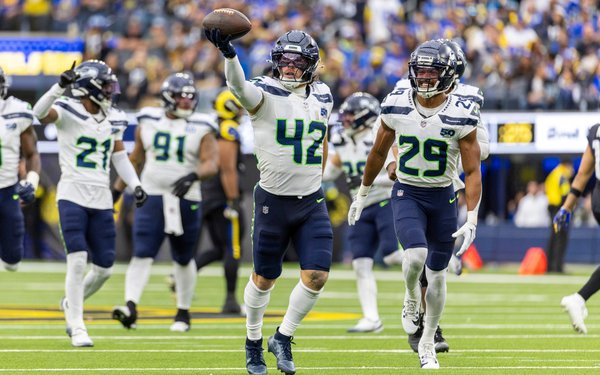
The estate of Paul Allen, owner of the Seattle Seahawks and Microsoft
cofounder, refuted allegations by ESPN that the team would go up for sale the day after
Super Bowl LX, where they will face off against the New England Patriots.
advertisement
advertisement
"We don't comment on rumors or speculation, and the team is not for sale," a spokesperson for the team told CBS
Sports.
Teams may be sold due to low fan turnout, but effective use of data can reverse this. Super Bowl success relies on ongoing fan engagement and strong management connections.
Marketers have been rethinking how to approach customer data ahead of high-traffic online and in person moments like the Super Bowl, shifting the focus from one-off campaigns toward building a
complete, real-time understanding of fans before, during, and after the event so they recognize fans across channels, from search to social media and connected television, not just emails and
loyalty IDs.
Artificial intelligence (AI) now gives the team an opportunity to personalize offers, experiences, and post-game follow-ups, and to activate campaigns using real-time
data during a compressed timeline.
Revenue and loyalty hinge on familiar challenges in sports and entertainment -- such as pulling together fragmented fan data across ticketing
systems, merchandise, digital engagement, and in-venue experiences. When those systems don’t connect, even the biggest moments become missed opportunities to recognize fans who are
willing to engage long-term.
This led Seahawks marketers last year to start working with Amperity, an AI-powered customer data cloud that allows brands to bring together raw
customer data for ads and marketing.
While working with Amperity, the marketers found a 61.5% deduplication rate across all fan records, and identified 5,000 new fans.
Considering the ties between Allen and Microsoft, it seemed odd for the Seahawks to be behind technologically, but the challenge had been to manually connect season-ticket data to one-off
purchases, which prevented them from identifying the highest-value customers.
Season ticket data and one-off purchases were in silos, preventing the team from recognizing most financially
valuable fans.
Manual processing of information like phone numbers, age, address, and transactions from merchandise and concessions led to redundant engineering work and slow turnaround
times.
A lack of unified and trustworthy profiles made it difficult to personalize experiences for fans, especially for season ticket holders.
The difference was not about how
much teams spend on campaigns, like the $10 million ad slots for this year’s game, or how much data they have, but rather on truly understanding their fans through the data -- and being able to
reach the fans in real time.
Identity resolution using Amperity “Stitch” was used to create accurate fan profiles with attributes like lifetime value (LTV), top 10% fan segments,
and passholder status.
Out-of-the-box data-processing and standardization to accelerate integration of new data sources and improve consistency across departments also helped.
An
integration between Amperity and Snowflake, a cloud service provider, enabled daily automated updates and data sharing across teams, along with self-serve capabilities so teams could activate
personalized experiences without engineering support.
Derek Slager, co-founder and CTO of Amperity, said pulling all the data together supported by AI technology that predicts fan
journeys to drive more loyalty.
“Imagine you’re working for the Seattle Seahawks, and you’re thinking about how to take advantage of about what’s happening around
the Super Bowl,” he said. “It’s not just a game. It’s a cultural event. This year it got a little political, red vs. blue, for better or worse.”
Social media has
a mind of its own, Slager said, after I called the political aspect of the game “silly.”
Slager said it requires data. Sports teams have a more complex ecosystem than other
industries when it comes to looking at which types of content resonate with users, and how to grow and build loyalty when they are excited about the team.
Amperity works with other sports
teams such as the Seattle Mariners and Seattle Sounders, as well as the Baltimore Ravens.
“One thing I didn’t realize with sports teams -- the players are all
friends,” Slager said. “If you play on a team in Seattle, you might be friends with those in Baltimore. You’re not competing, so they share ideas. In some sense they all benefit from
sharing and learning.”