ChatGPT has a feature that lets the user ask the model after
it serves an ad its thoughts on the specific product based on the information it knows about the user.
The feature launched on Monday in test mode on free and Go tiers, but there has been no
public discussion on how brands will purchase the media, and whether the platform will be self-serve or require an agency to support media buys.
The platform is not an inward-facing model, but
the “Ask ChatGPT" button, a three-dot menu, that launched in beta lets the model look inward to see the screen. In other words, clicking this button allows the model to view that specific ad's
content and provide feedback.
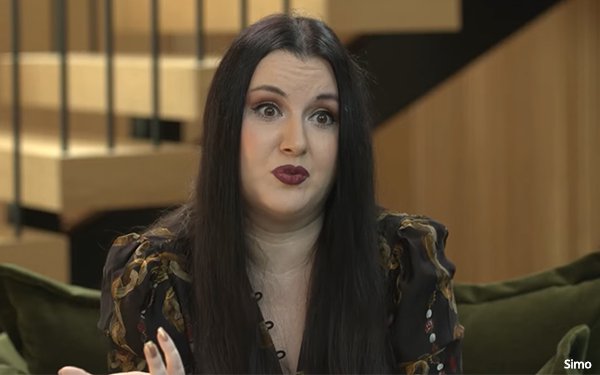
“I think that will reinforce neutrality,” said Fidji Simo, CEO of Applications at OpenAI, during an interview with the podcast "Access" that published
this week.
advertisement
advertisement
Simo arrived at OpenAI in 2025 after spending about 10 years at Facebook, and then a few years at Instacart.
Despite some advertisers not liking that service, Simo believes
it will force advertisers to fix products and/or the messaging around them.
Society lives in a world worth being transparent and authentic. If not, OpenAI risks getting a bad
reputation. That type of discussion with a model will reinforce neutrality in a way that not only helps the brand, but also the consumer, and platform.
After she arrived, Simo said, the
company began to think about serving ads. She conducted roundtables with about 100 people. They all were passionate about sharing their vision of how OpenAI would serve ads.
OpenAI co-founder
Sam Altman once said ads would be a last result, but many things have changed since then like the desire for the company to serve more intelligence to users, even when they do not pay to use the
service.
“Ads get a bad rap,” Simo said, but ultimately people enjoy the services.
Think about how fast intelligence is progressing. It is becoming more important to have
the highest levels of intelligence in these chatbots. That takes money.
Supporting users without a subscription, of course, costs OpenAI the most. Image and personalization tools cost a lot
because of the memory required to store the data. The transition from a chatbot to a personal assistant will also require more revenue because the tool will go from reactive to proactive. And agentic
services will even cost more.
OpenAI created and introduced a product called “ChatGPT Pulse” in 2025 that proactively does research to deliver personalized updates based on
someone’s chats, feedback, and connected apps like their calendar.
“It’s not like making money for a sake of making money,” Simo said. “It’s making
money so that we can continue serving billions of users that level of intelligence.”
OpenAI also will develop an Adult mode that not only predicts the age of the user, but to
differentiate the experiences.
Simo said some people will have an emotional relationship with ChatGPT, and that is being studied within the company.
Some people like to have erotic
talk with the chatbot or read spicy literature, which is acceptable.
“I don’t think it’s out place to say, no,” she said, if the person is 18 or older, and the person
will only experience it if they ask for the content. It won’t happen, for example, while trying to book a travel experience.
Simo believes emotional relationships with chatbots will
become an “accepted thing because when you think about it, humans are built to develop attachment to intelligent things,” but the company has a goal “to prevent the bad kind of
attachments” and things from happening.
Bad things like social media addiction lawsuits and trials that are happening today.
“We are studying to make sure
we do the right thing, and that’s why we’re also relying on a network of psychologists,” Simo said.