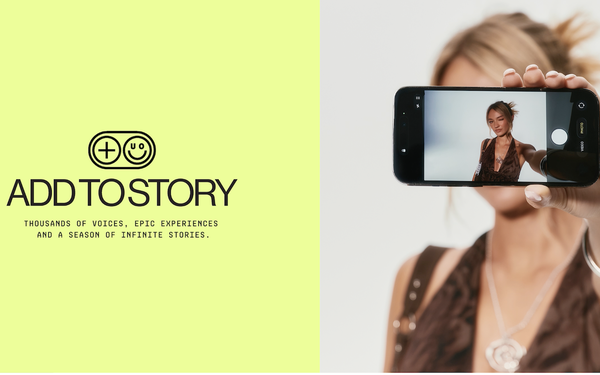
Well aware that its Gen Z audience is eager to loosen its attachment to screens and is increasingly drawn to analog experiences, Urban Outfitters is rolling out “Add to Story,” a
community-driven campaign that signals a notable shift in how the retailer approaches influence, loyalty, and customer relationships.
While the campaign features singer Zara Larsson, the
celebrity element functions more as an entry point than the central idea. The deeper strategy sits inside Me@UO, the brand’s evolving community platform, which prioritizes participants with
fewer than 10,000 followers — a deliberate move away from the high-follower metrics that have long defined influencer marketing.
“Our brand is
meant to be felt and lived. We don’t just sell products,” says Cyntia Leo, head of brand marketing at UO. The initiative, Leo tells Retail Insider, is rooted in the
company’s view that younger consumers are looking for something more durable than passive brand interactions.
advertisement
advertisement
“Gen Z customers are incredibly
smart. They see through traditional advertising and traditional influencer marketing,” she says.
That skepticism has become a growing concern across
retail and marketing, as audiences grow weary of polished creator content and increasingly transactional loyalty mechanics. Urban Outfitters’ response is to tilt toward participation rather than
promotion. Members of Me@UO engage through weekly prompts tied to everyday themes — school, creativity, sports, personal style — unlocking access to exclusive content, product previews,
and experiential rewards.
“We wanted to make sure we weren’t driving a very transactional relationship,” Leo says, drawing a clear contrast
with traditional loyalty programs built on discounts and point systems.
Instead, the retailer is leaning into experiences designed to feel earned. The
top 100 contributors will receive invitations to Meet Me@UO, a two-day brand gathering in Joshua Tree, California, featuring performances, immersive programming, and giveaways. The structure echoes
loyalty architecture while reframing what “value” looks like for younger consumers. It follows other recent IRL initiatives, including sponsored bounce houses and airport experiences at
peak travel moments.
And while the company continues its traditional influencer marketing programs, the new strategy reflects changing platform dynamics.
Algorithm-driven feeds have weakened the dominance of mega-influencers, allowing smaller creators to generate meaningful reach. In that environment, follower count becomes a less reliable indicator of
impact — and brands have more incentive to cultivate broader communities rather than a handful of highly visible partners.
Leo frames the shift in channel terms. “Digital builds
awareness, but physical experiences build emotional equity and connection,” she says.
Urban Outfitters’ emphasis on community arrives as its parent company, URBN, reports steady
growth. For the eleven months ended Dec. 31, total company net sales increased 11%, while comparable retail segment sales rose 6%. The company operates 259 Urban Outfitters stores and 252
Anthropologie stores.