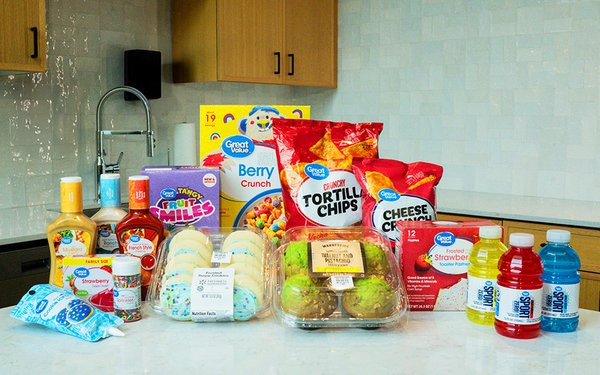
CPG companies have had it rough lately, between
tariffs, inflation and shifting consumer demands. The old playbook, when the biggest companies grew through acquisitions, raising prices to protect profits and waiting for sales volume to return, just
isn’t working. That’s led to growing investor unrest, with such companies as PepsiCo, Unilever, and Kraft Heinz rewriting growth and marketing strategies.
Mike Ross,
PwC's U.S. consumer markets deals leader, has spent the past year watching the industry reckon with that reality. He tells Marketing Daily what structural upheaval means for brand marketers
— not the deal-makers, but the people who have to win consumers back, one product at a time.
This interview has been edited for length and clarity.
Marketing Daily: Private label has always been a threat, and retailers have steadily been improving their game. But they are now growing at two times the rate of
national brands. What’s changed? Is it all about consumers being more focused on price?
advertisement
advertisement
Mike Ross: It’s not just a price perspective, and not just because
consumers are increasingly value-focused. They've always cared about value. What's interesting is that private label has been more responsive in terms of innovation and forward-thinking, especially in
terms of functional benefits.
There has been a noticeable shift this year toward benefits that lead to outcomes and products that are more science-backed. At the recent Consumer Analyst Group
of New York conference, this trend was quite noticeable. These larger companies may not be talking much about the threat of private labels, but this seemed to be the year the food companies woke up,
realizing they are not going to get back to growth just on pricing. They need innovation in the kinds of science-backed products people want right now.

Marketing Daily: So rather than fight on
price, they intend to out-innovate on benefits. What does that look like in practice, for marketers?
Ross: It requires thinking more like an insurgent brand than a big
one. Marketing teams can drive innovation because they have consumer insights. And they can translate that into more agile product development and more authentic connectivity. The
cycle is getting faster, and has to get faster still.
The impact of GLP-1s is a good example. At last year’s conference, people kept asking how real the impact of GLP-1 drugs would be on
food consumption. This year, everyone knows the impact is real, and bigger than many companies expected.
Marketing Daily: Weight-loss drugs are reshaping what and how people
eat. How should brand marketers be thinking about that shift — not just in terms of product, but in terms of how they talk to consumers?
Ross: Food products that
specifically call out protein and other benefits are obvious. But shrinking package size is about more than just lowering prices, for example, but also the fact that people on these drugs eat less. It
leads to other questions: How do consumers want to enjoy our product? What occasions? When they are on the go?
And this interest in health and wellness extends beyond food – look at the
changes we are seeing in the beauty and personal care categories. People want products with proven benefits.
Marketing Daily: You mentioned agentic commerce
— AI agents making purchases on consumers' behalf. If a bot is doing the buying, what does brand marketing even mean anymore?
Ross: This requires a big change in the way
marketers think. Consumers are changing how they discover products, and agentic commerce will continue to reshape that. Consumers won’t ask their AI agent, “What’s the best
brand?” They’ll say, “Help me find a product with the best benefits, the best customer reviews and fastest delivery times.” In that world, the role of brand is very different
from what it used to be.
Marketing Daily: If you were a marketer on the front lines of CPG, what would you tell yourself to focus on right now?
Ross: I would think more about future value. I would spend more time dissecting the audience, from Generation Alpha on up, in terms of buying patterns. Ask "Who are my customers today, and
who will they be tomorrow? How do generations blend, and how do they differ? Where are their preferences shifting?"