LinkedIn is rebuilding its main feed
algorithm via a new ranking system powered by a combination of advanced large language models (LLMs) and graphics processing units (GPUs) designed to take a more holistic view and react to
users’ “evolving interests,” according to the company's recent announcement.
LinkedIn's algorithmic rebuild relies on using artificial intelligence
(AI) that “better understands what a post is actually about” and how it relates to each user’s in-app behavior, with the goal of delivering “more accurate and helpful
recommendations.”
Traditionally, LinkedIn’s internal system has worked off various user signals -- industry, experience, skills, location -- and engagement history to recommend
content they find more personalized and helpful to their business goals.
advertisement
advertisement
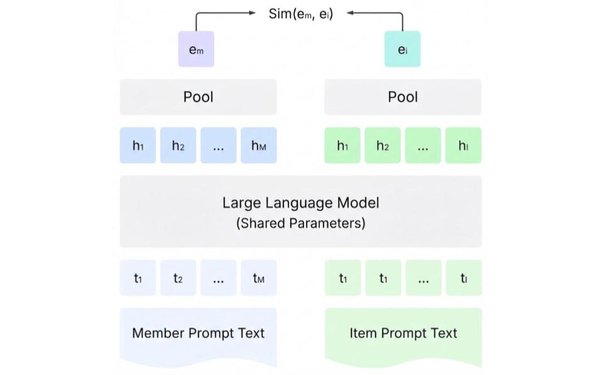
For a more holistic and malleable approach, the Microsoft-owned social-media platform has decided to merge its separate
retrieval sources -- trending content, collaborative filtering -- and forego its traditional ranking model, trained to treat each impression independently, “missing the sequential patterns in
how professionals actually consume content over time,” per the announcement.
The result is what LinkedIn refers to as a unified retrieval system powered by new LLMs capable of delivering
more complex representations of its users, as well as a GPU-powered ranking model designed to capture how professionals engage with content over time.
By revamping its ranking system, LinkedIn
hopes creators have more opportunities to reach a diverse range of users, while expanding the prevalence of newer feed content.
According to the company, the new system should feel more
responsive because it continuously updates its understanding of content and member interests.
“When industry news breaks and relevant posts start getting traction, you see them within
minutes, not hours,” LinkedIn’s announcement states. “When you engage with content signaling a new professional interest, subsequent Feed visits reflect that updated understanding
almost immediately.”
The updates come less than a year after LinkedIn rolled back an algorithm change that was reportedly recycling older posts in user feeds.
Over the next few
months, LinkedIn will focus on improving its new systems to “reduce repetitive, click-driven posts and filter out engagement bait,” aiming for relevance over popularity.