The term "creator journalism" may seem
daunting. Do viewers and possibly advertisers supporting such content have reason for heightened concern? A comfort zone still remains.
For a while now, around 60% of U.S. consumers have
regularly received some of their news content from social media from named and unnamed providers that can post “journalistic"-looking content, which can sway and influence their views.
At the same time, increasingly, consumers are increasingly honing in on news personalities who have been on traditional newscasts:
Deborah Turness, who resigned from her position as CEO of BBC News last
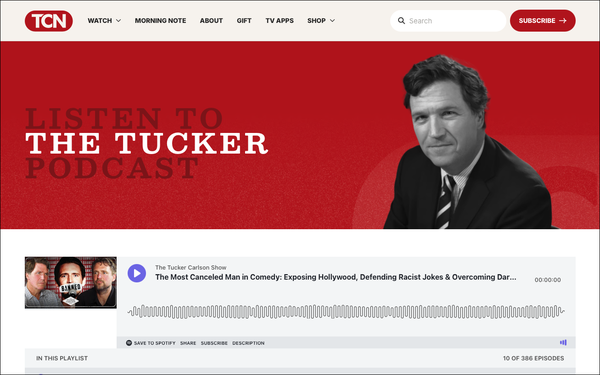
year, said the list includes former Fox News Channel anchor Tucker Carlson (5.6 million subscribers on YouTube), Megyn Kelly (also ex-Fox News) with 4.2 million and Mehdi Hasan (MSNBC) with 1.95
million.
advertisement
advertisement
One also needs to include on this list one of the biggest hosts in "creator journalism" according to Turness: Joe Rogan, who has 20.9 million subscribers on YouTube.
All these
personalities are offering news, analysis and opinions -- with a strong focus on the latter.
The downside is that news consumers may not be digging deeper. The "siloed" effect continues.
How many people actually remember not only the platform where they get their news (such as Fox News, MS Now, TikTok or Facebook), but the specific details about where that news item came from?
Do people want or need to drill down and ask the follow-up question?
Not really. A quick piece of news on your phone is enough. Who has time to confirm and check on the facts?
“This creator journalism is not a side-show," Turness said. "It is fast becoming the show. If we have been wondering for years what would eventually replace the broadcast news mass-media
model, we are seeing the answer now.”
What to do? Turness says this could be starting up podcasts featuring their prominent, respective journalists.
This is something SkyNews has
done. In the U.S., CNN, Fox News, MS Now and some other TV news networks have been doing this for some time.
Will this level the playing field? And do long-time,
news-centric advertisers really care?