Following similar measures from several other
countries across the globe, the United Kingdom plans to ban all teens in the region under 16 years of age from accessing Snapchat, TikTok, YouTube, Instagram, Facebook and X, as well as select game
platforms and livestreaming apps.
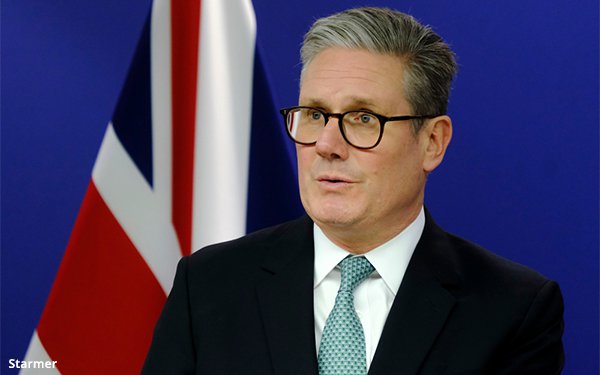
The decision stems from Prime Minister Keir Starmer, who said at a news conference Monday that he is “not prepared to compromise on the safety and
happiness of our children, and that is why this ban must happen.”
The British government's planned social-media ban follows months of deliberation, during which time the
majority of citizens have grown to support the action for teens. According to the government, 90% of parents who responded to a
national survey agreed with the restriction for an age minimum of 16.
advertisement
advertisement
In addition to the major platforms Snapchat, TikTok, YouTube, Instagram, Facebook and X, the
U.K.'s ban will also include “other online services like gaming,” due to “high-risk features” like “livestreaming” and messaging formats that can be used by
strangers to contact children.
Messaging services like WhatsApp and Signal will not be impacted by the ban.
The government also states that 16- and 17-year-olds will be able to
access social media platforms, but not livestreaming or stranger communication features, which will be “switched off by default for these ages.”
The government has not yet provide
any specific solutions to verify that ages of users of these platforms.
“Having a range of methods to prove age is important to ensure online spaces are accessible,” the government
states, adding that the Office of Communications will offer “different options for effective forms of age assurance” in the coming months.
The proposed ban -- which the government
hopes to have in place by early 2027 -- follows similar actions proposed and passed in Australia, Greece, Indonesia, Austria, Denmark, Slovenia, Germany, Spain, France, various states in
the U.S., and most recently, Turkey.
The U.K. plan, like all other
social-media bans, has received criticism from technology companies that will be most heavily impacted by the decision.
Meta, for example, has argued that it has sufficient safety features in
place to keep teens safe, despite losing two landmark cases in March in which the company was found liable for designing purposefully addictive and harmful services, especially regarding younger users.
In
response to critics of the proposed ban who argue that teenagers will find ways to circumvent denied access to restricted social and livestreaming platforms, Starmer stated that teens “get
around other laws, too, but we don't say, ‘Oh, look, a teenager managed to get a drink somehow, so let's not bother banning alcohol sales to children.’”