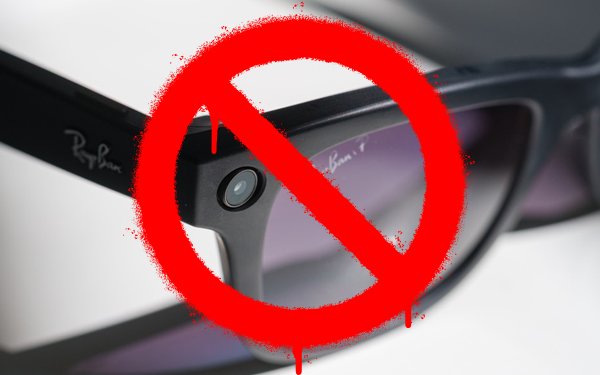
Courtrooms in England and Wales are
following New York’s recent lead to ban Meta’s AI-powered smart glasses amid widespread concerns around privacy and the product’s undetected recording abilities.
According to a report from The Guardian, His Majesty’s Courts & Tribunals Service (HMCTS), which resides over the courts in England and Wales, has stated
that Meta glasses will be confiscated from people entering its judicial buildings in both regions and returned to the owners when leaving.
“There are
clear restrictions on taking images or videos within courts and tribunals which is why the use of Meta glasses is prohibited,” a spokesperson for courts said.
Taking photos and videos in UK courtrooms is prohibited without official permission.
advertisement
advertisement
While smartphones are allowed on the basis that they will not be used to record
courtroom proceedings, Meta’s smart glasses products have cameras hidden in the frames that can discreetly take photos and record video, making it harder for others to know they are being
filmed.
The HMCTS’s decision comes weeks after New York’s court system issued a
ban on smart glasses, following concerns during a
trial in March, during which Superior Court Judge Carolyn Kuhl told Meta team members wearing the smart glasses that if they recorded court proceedings they would be held in contempt of
court.
Since the rollout of its newest Ray-Ban smart glasses models,
Meta has been under fire from regulators and consumers, who have called the product “pervert glasses” and are concerned about being secretly recorded, especially in intimate
moments.
Earlier this
year, an investigation by Swedish newspapers reported that Kenyan workers employed by a Meta subcontractor saw “someone going to the toilet, or getting
undressed” on users’ smart glasses recordings.
Other workers described video material depicting sexual encounters and other intimate moments that smart glasses users did
not seem to know they were recording.
The investigation led to a lawsuit filed against Meta and Luxottica of
America in California federal court, alleging that these companies misled consumers by marketing AI smart glasses as “designed for privacy” while failing to disclose that videos captured
by the glasses are sent to Meta's servers and then to a subcontractor in Kenya, where humans view and label the footage to train Meta's AI models.
More
recently, public venues throughout the U.K. are banning Meta’s AI-powered smart glasses, including the popular pub chain Weatherspoons, several high-end restaurants, members clubs, theaters,
music clubs, and comic book conventions.
In July, Instagram head Adam Mosseri posted a story on the platform noting that secretly recorded video content
would be banned on the platform.
Despite giving consumers the ability to discreetly record others with the help of Meta’s AI assistant, Mosseri said,
“we don't want people to be surreptitiously taking videos of other people and harassing them and then posting them on our platform. So we're trying to fight that every way we
can.”