More than two years after shutting down its health
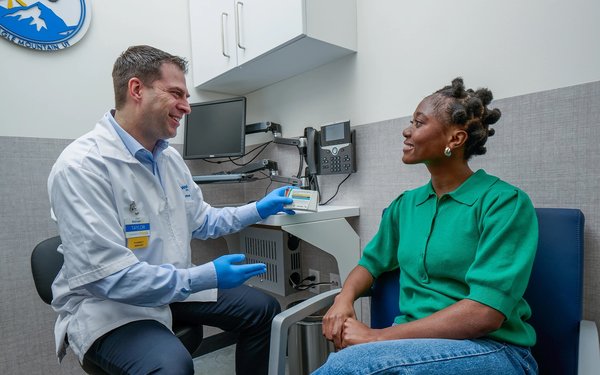
clinics, Walmart is trying again, introducing a six-month pilot with “health ambassadors” in five rural markets.
The specially trained pharmacists will act as coaches and, initially,
focus on three of rural America’s biggest health issues: weight loss, including GLP-1 prescriptions; diabetes; and maternal health.
Locations include Lexington, Tennessee; Caro,
Michigan; Franklin, Virginia; Fort Scott, Kansas; and Searcy, Arkansas.
In the announcement, the retailer said the new proof of concept aims to find ways dedicated pharmacists can help
customers navigate individual health goals, clinical services, nutrition resources and digital tools.
Walmart says the ambassadors will help customers use the retailer's Better Care
Services. Earlier this spring, it announced it was expanding that platform, which provides virtual connections to fee-based third-party providers, to help with obesity. In addition to GLP-1
prescriptions customers can get through Walmart’s pharmacies, Better Care also offers Aaptiv, a personalized fitness app; Berry Street, which combines AI with registered dietitians for
nutritional advice; and Wheel, a weight management care program with board-certified providers trained in obesity management.
advertisement
advertisement
"Health does not happen in one place, and it rarely fits neatly
into a single appointment," said Emily Aaronson, M.D., M.P.H., chief medical officer, Walmart U.S., in the announcement. “Customers already turn to Walmart for affordable food and everyday
essentials, convenient services and pharmacists they know and trust. By giving pharmacists dedicated time to listen, coach and connect customers with relevant support, this pilot will help us learn
how a familiar, trusted setting can make health resources more accessible, practical and actionable for people living in rural communities."
In 2024, Walmart pulled the plug on its health-care
businesses, shutting down all 51 health centers in five states, as well as the virtual care offering. “The challenging reimbursement environment and escalating operating costs create a lack of
profitability that makes the care business unsustainable for us at this time,” it said.
But the company is well aware that healthcare deserts across the U.S. are still out there, and
notes it has “a unique opportunity” to help. Approximately 90% of the U.S. population lives within 10 miles of a Walmart store or club, and 4,000 Walmart stores are located in
medically underserved areas.
Walmart says the goal of the pilot program is to test the impact of personalized support in rural areas, “and learn what works, where customers need
additional support and how a dedicated Health Ambassador can help connect the pieces of a person’s health journey. These learnings will inform how we continue building more accessible, connected
health and wellness experiences for the communities we serve.”