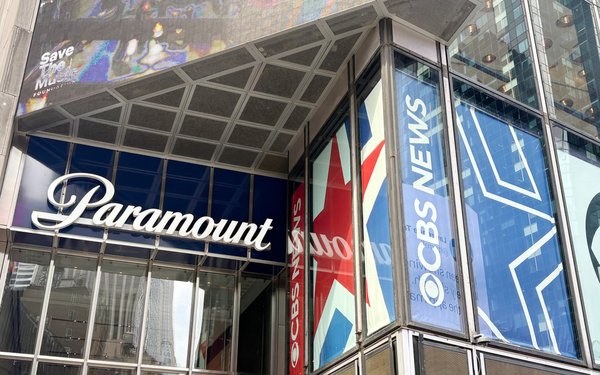
While there are regulatory concerns for a possible
Netflix-Warner Bros. Discovery deal, a Paramount-WBD deal also raises issues. The market concentration of Hollywood movie/TV studios is an important concern.
This new iteration of the fight
for Warner Bros. Discovery comes after a hostile $108 billion offer to buy WBD from Paramount Skydance for all of the company.
Last week, a friendly Netflix-WBD agreement for a valued $83
billion was made for the most valuable business of WBD -- its movie and TV studios and streaming services.
Initially, some media analysts were concerned that the new, bigger Netflix could
shift a massive piece of WDB’s film content to its streaming platform (and that to HBO Max if the deal goes through) -- leaving movie theaters chains in a tougher business environment. To a
lesser extent, figure that also be the case for HBO content that will move all content exclusively to HBO.
advertisement
advertisement
Paramount, under its proposed deal, is trying to sell the idea that it is an
underdog. In its release to investors, it alludes to regulatory concerns for Netflix.
With Netflix the dominant leader in premium streaming, the wherewithal of the Warner Bros. deal will
potentially give it monopolist marketplace power, especially on the growing streaming side of the business.
Under the Trump Administration, there is a strong likelihood that the antitrust
division of the Department of Justice or the Federal Trade Commission could put the kibosh on the Netflix-WBD deal. President Trump has already said the deal “could be a problem.”
In effect, Paramount is taking a very public position directly to WBD shareholders, especially making a better overall cash deal for all of WBD, including its much financially maligned cable TV
networks.
But what about the future? Sure, Netflix is dominant when it comes to premium streaming.
But Netflix would not be bigger than YouTube or Walt Disney when it comes to all
viewing platforms for each company.
Netflix could grow to around 9% or 10% Nielsen-measured share (from around 7.5%) -- but YouTube would still be higher at 13%, as would Disney (which had
11.4% in October 2025).
Combining two of the five major Hollywood studios under one roof -- Paramount and Warner Bros. -- could be a greater cause of concern.
The combined company
could have more leverage over movie-theater chains when it comes to share of box-office revenue.
And Paramount could command higher fees from TV/streaming distributors -- with what would be an
even bigger group of cable TV networks and streaming services that are increasingly now sold under one roof by pay TV/streaming providers like Comcast Corp., Charter Communications, Roku or Amazon
Fire TV, for example.
What about consumers? Well, big business deals don’t come cheap. Someone needs to pay.
Expect higher subscribers fees for a Paramount+, HBO Max and
discovery+ combination.
The bottom line is that there is something for everyone to complain about.