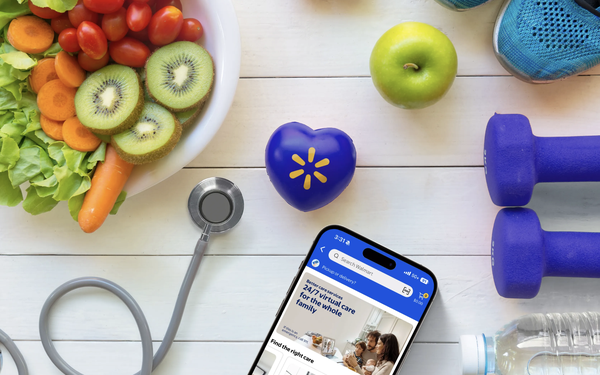
As
expanding Medicare coverage brings GLP-1s within reach of millions of new patients, Walmart wants to make sure it gets in on the action. The retailer just announced that its Better Care Services
platform, launched back in January with a network of third-party telehealth providers, is expanding, and will bring virtual care, nutrition services and pharmacy access into one digital
experience.
Walmart, which currently ranks as the fifth-largest prescription provider in the U.S., offers a broad portfolio of GLP-1 medications across its
4,300 pharmacies, including newly available oral options accessed through insurance or cash-pay pricing.
The Better Care Services platform now includes
obesity and weight management support tools for use in conjunction with the drugs, including offerings from Aaptiv, a personalized fitness app; Berry Street, which blends AI with a network of
registered dietitians; Curai Health, an AI-driven self-coaching tool; and MyCare by Twin Health, which offers real-time and personalized insights into the weight loss journey.
advertisement
advertisement
The platform also provides access to Wheel, which links patients to specialists in obesity management. It includes telehealth visits, ongoing monitoring, medication
management and personalized care plans, with initial visits priced at $99 and later check-ins for $35.
Additionally, the platform connects patients to its
Nutrition Hub, which offers help with recipes and budgeting, and has even added a GLP-1 digital landing page to its main website.
"Access to medication is
only one part of the equation," says Kevin Host, senior vice president of pharmacy at Walmart U.S., in the announcement. "Weight management today is often difficult to navigate, with patients managing
multiple steps across care, medication and lifestyle changes. By bringing together pharmacist support, virtual care and nutrition resources and leveraging the scale and convenience of our pharmacy
network, we're making it easier for customers to access care and support in a way that fits their lives."
This is just the latest way the GLP-1 tsunami
continues to shake up retail pharmacies. The drugs accounted for more than 80% of the industry's revenue growth last year, according to Becker's Hospital Review.
And while Walmart is
the world's largest retailer, it lags far behind pharmacy heavyweights like CVS, which leads the market with a 14.7% share, and Walgreens, with 14.6%. Walmart's share of the $683 billion market stands
at 4.8%.
The introduction of oral formulations is generating increased consumer interest, with some 40% of U.S. adults living with obesity. And beginning in
July, eligible Medicare Part D beneficiaries will gain access to certain GLP-1 medications through a short-term program known as the Medicare GLP-1 Bridge, priced at $50 per month. While the precise
number of eligible beneficiaries is not yet known, KFF estimated that close to 14 million Medicare patients had a diagnosis of overweight or obesity as of 2020.
GLP-1 use is already changing the way consumers buy groceries, cutting into sales at many food companies. But Walmart executives aren't concerned. On the company's
most recent earnings call, they noted that while GLP-1 users do buy less of certain foods as their appetites shrink, they also shift toward fresher, higher-value items — pushing their total
basket size up by a double-digit percentage. On balance, executives said, the trend is roughly neutral for overall growth.