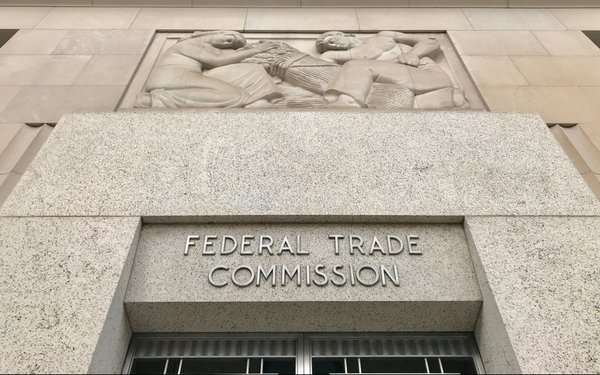
Cox Media Group will pay $880,000 to settle charges
that it misled small businesses by falsely claiming to offer "active listening" technology that could enable ad targeting based on overheard conversations, the Federal Trade Commission said
Thursday.
"This service did not, in fact, listen in on consumers’ conversations or use voice data at all," the Federal Trade Commission said when it unveiled the
settlement. "Instead, the service the companies provided consisted of reselling -- at a significant markup -- email lists obtained from other data brokers."
The FTC alleged in
its complaint that Cox Media Group falsely told small businesses it could access people's conversations via
microphones in smartphones and other web connected devices, use artificial intelligence to analyze those conversations, and then send targeted ads to consumers within certain geographic areas.
advertisement
advertisement
Cox Media Group "represented to its customers that active listening would allow them to know exactly when a potential consumer was in the market for the small business’s services, in real
time and in their local area, based on the consumer’s conversations overheard by smart devices," the FTC alleged.
The complaint listed numerous claims Cox Media Group
allegedly made on its website regarding "active listening."
For instance, one selling point was: "Voice data goes beyond search engine data, so every casual conversation
between two consumers becomes a tool for you to target, retarget, and retain customers," according to the complaint.
Cox Media also allegedly boasted: "By incorporating and
analyzing customer data gleaned from conversations happening around smart devices, we can pinpoint where and when customers are most likely to engage with ads."
The company
added, "Creepy? Sure. Great for marketing? Definitely," the complaint alleges.
In addition, Cox Media Group allegedly told its small-business customers that consumers opted in
to the collection and use of their voice data.
"Contrary to respondent’s statements, smart devices with voice collection capabilities did not transmit voice data to
respondent’s active listening service," the FTC alleged.
"Contrary to respondent’s representations that consumers had consented to the collection and use of their
voice data, respondent did not obtain consent from consumers to collect or use voice data for marketing purposes," the agency added.
Cox Media Group did not admit or deny the
FTC's allegations.
A company spokesperson said Thursday it was "pleased to have this matter resolved."
The spokesperson added, "Our local marketing team relied on
marketing materials provided to us by a third-party vendor about their product. We withdrew the materials expeditiously and stopped further use of the product."
News of the FTC
settlement comes more than two years after reports emerged that Cox Media Group claimed it could target ads based on
conversations.
Soon after Cox Media Group's boasts came to light, the company stated that it does not "listen to any conversations or have access to anything beyond a third-party aggregated,
anonymized and fully encrypted data set that can be used for ad placement.”