With
the opening of the 2026 FIFA World Cup less than a week away, CPG brands keep piling on the pitch. Some are new to the game, like Dr. Squatch, the brand's first major global sports partnership,
introducing Golden Glory, a limited-edition, gold kaolin clay-infused soap. Others are more familiar: Dove is running a new spot, “The Game is Ours,” the latest in its long-running effort to build girls' confidence in sports. Quaker is also jumping in, debuting a new campaign that celebrates its role as the official breakfast of FIFA World Cup 26.
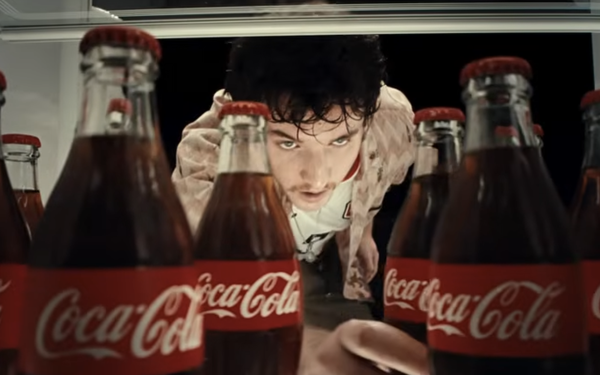
Coca-Cola, one of
the longest-standing sponsors, dropped the final act in its creative play with “No Better Feeling,” which brings global football
icon José Mourinho and global music superstar J Balvin into the game. And Pepsi is in the mix too, with the latest in its "Soccer Deserves Pepsi" campaign starring David Beckham and Christian
Pulisic, and a clever browser extension that replaces every way-too-American reference to "soccer" with the globally preferred "football."
advertisement
advertisement
But there's a
growing question of whether any of this spending will pay off for CPG brands, with many unclear about how to track their ROI. FIFA, for its part, will make about $13.1 billion from the tournament, per
Sports Illustrated.
It doesn't help that FIFA fever hasn't really taken hold the way many had hoped. The 2026 FIFA World Cup, which kicks off June 11
across 16 North American cities, is the largest and longest in the tournament's history: 104 matches over 39 days, with 16 more teams than in 2022. But a new YouGov survey makes clear that most
Americans remain indifferent, with 54% saying they are not at all interested, and 59% not planning to watch a single match.
Yet brands are betting on a
passionate minority. Of the 13% who describe themselves as very interested, 85% plan to watch whenever they can or every single day. FIFA predicts 6.5 million people will attend the games, with an
estimated 6 billion watching or engaging globally.
And that engaged minority will open their wallets — perhaps the best barometer of genuine
fandom. Among those in the YouGov survey who say they are very interested, 37% say they would spend $300 or more on a ticket to a U.S. match, with 5% willing to go above $1,000. For CPG brands buying
into this year's games, that's a real — if narrow — domestic target. Many are also counting on connecting with the much broader audience of global diehard fans.
But companies expecting a broad-based economic boost are likely to be disappointed. A new report from Deutsche Bank's equity research team, while bullish on select
hospitality, restaurant and media names, puts the macro impact in sobering perspective. Even FIFA's own optimistic estimate of a $17.2 billion contribution to U.S. GDP would amount to only a 0.05%
short-term boost. And the bank's analysts describe the tournament as barely registering on a macro agenda dominated by the ongoing war in Iran, Fed policy, trade uncertainty, and AI.
The biggest beneficiaries, Deutsche Bank's analysts note, will likely be lodging companies — including Hyatt, Hilton, Marriott, and Airbnb — and certain
restaurant chains.