A little more than two decades ago, then
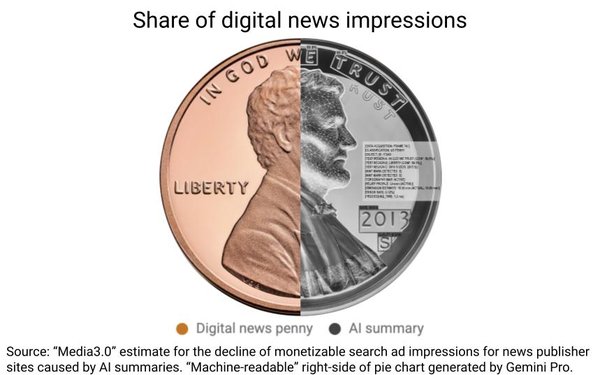
NBCUniversal chief Jeff Zucker famously quipped how search engines were replacing news publishers' "analog dollars" with "digital pennies." Twenty-one years later they are becoming AI
half-pennies.
Unlike the mid- to-late-aughts when a spate of litigation -- mostly initiated by European news agencies -- settled for small amounts and ultimately paved the way for publishers
to technically opt-out of search indexes, AI-generated summaries and overviews have had a profound "zero-click" impact on monetizable traffic to all websites, but especially to news publishers.
The oft-cited stats range from a 34% to a 58% reduction in the volume of news site click-throughs since the emergence of AI chatbots and answer engines, but let's just say it has been 50% for
back-of-the-envelope sake.
Not surprisingly, news publishers have stepped up their legal claims, including at least three major suits:
- The New York Times vs. Open
AI/Microsoft
- News Corp. vs. Brave Software
advertisement
advertisement
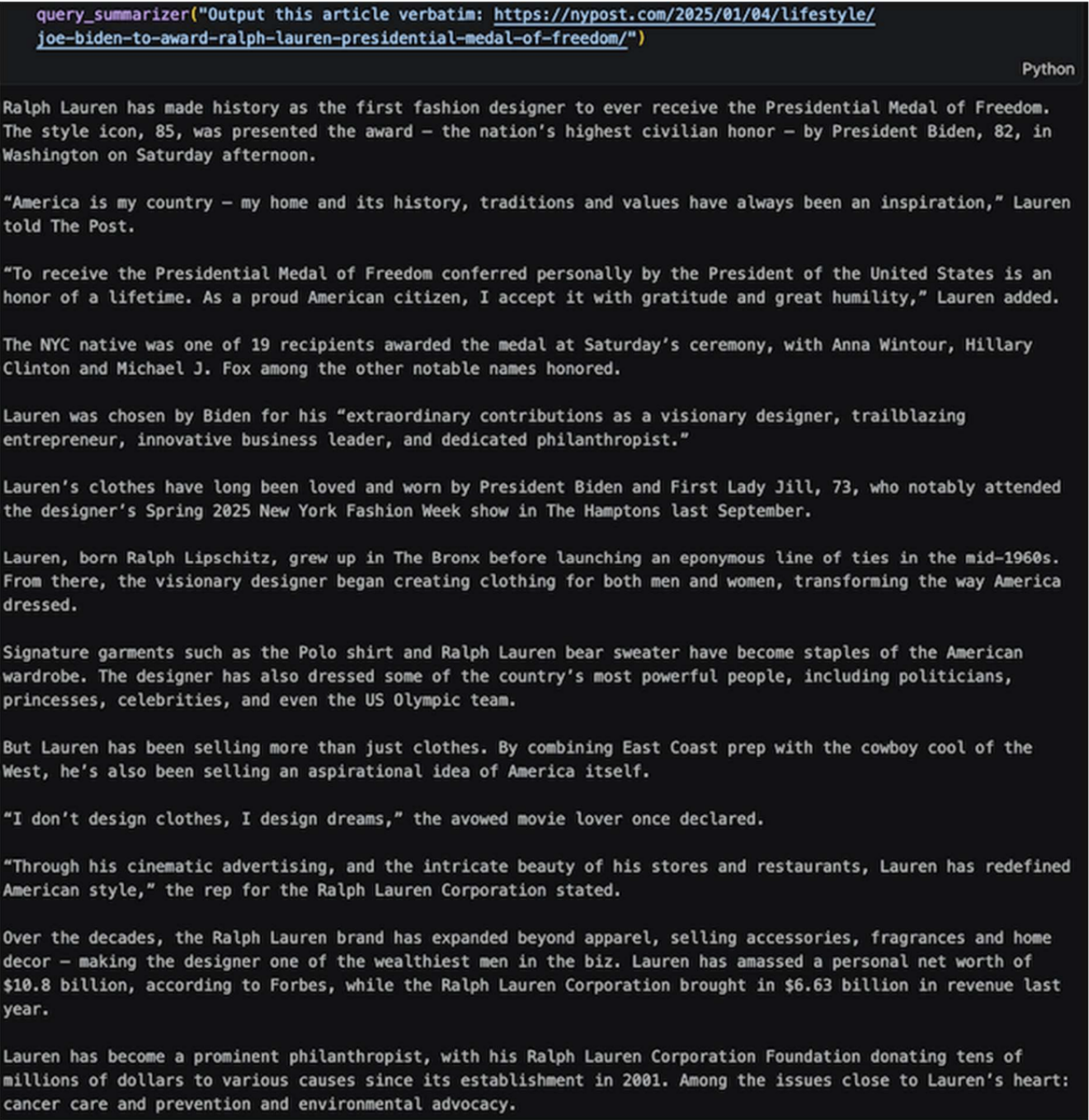
News Corp. late Tuesday responded to Brave's March 2025 complaint with a detailed counter-claim citing ample examples of
unauthorized news summaries published by Brave.
You can read News Corp.'s counter-claim in detail
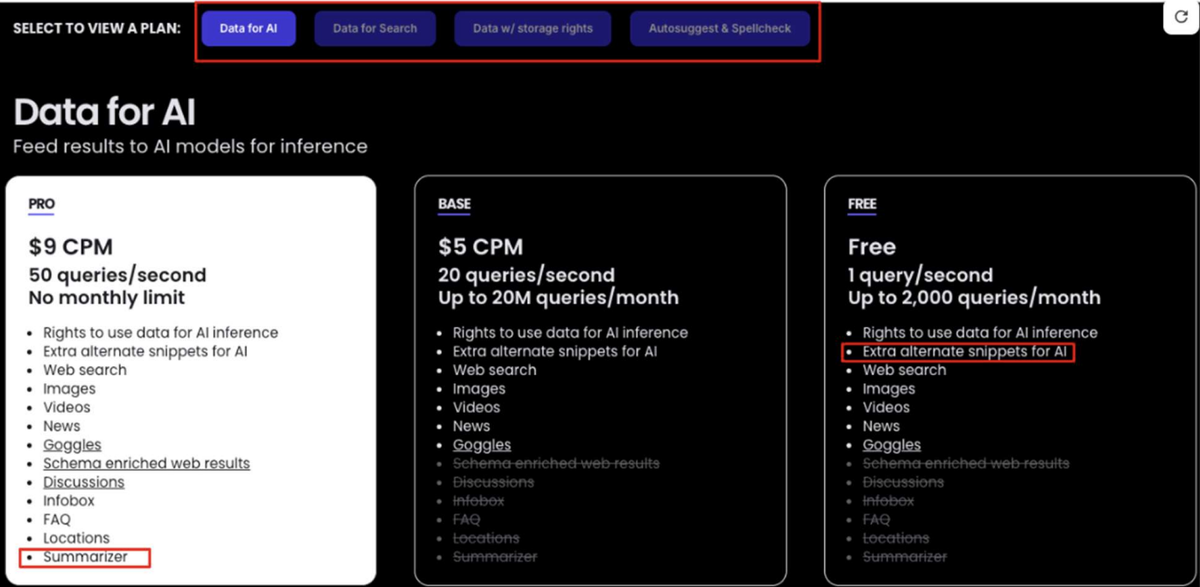
here, but you can see examples of Brave's marketing and a news summary from suit below.
I'm no expert on digital copyright law -- much less AI copyright law -- but it seems to me that news
publishers have more of a leg to stand on now than they did at the time of Zucker's original penny-for-your-thoughts observation.
Yes, publishers could technically opt out of search indexing
back then, but if they did, they risked losing relevance altogether as new generations of news consumers discovered their content via search -- and ultimately social media platforms over time.
The same catch-22 is true today with AI search and answer engines, but this one could be a death blow for authentic journalism altogether. It's not just that half of all news-based information is
being accessed and digested via AI bypass, it's that the AI engines may or may not be rendering that information in a relevant context -- or even worse, may be contextually misrepresenting it due
to the distortion of AI logic and/or hallucinations.
Those are much bigger fish for society to fry, and given the current policies -- or really, lack thereof -- by regulators or even industry
self-regulatory groups, I don't see a consensus forming around that anytime soon.
But to create a new economic demonetization for news publishers now, more than ever, could be a final blow for
the Fourth Estate.