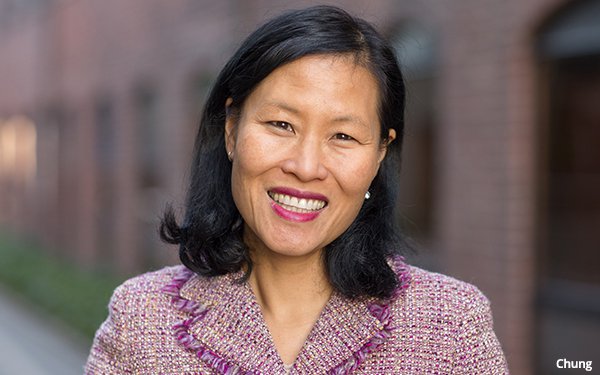
Cross-channel data analysis that provides a real consumer perspective -- which brands have
been seeking for years -- could be within their grasp, based on unique ideas from Sonia Chung, Boathouse's newly hired chief strategy officer.
Chung -- the first CSO in the
agency’s 25-year history -- spent years at companies including Google, YouTube, and Salesforce in a variety of digital-focused positions.
She went back to an agency because she felt
technology creators have “bias” based on what they build. Google leaned toward advertising technology, and Salesforce focused on marketing technology and CRM.
advertisement
advertisement
Brands have more data
than ever before. When Chung talks about data, she explains her “collect, connect, and activate” strategy.
“Now we have the horsepower to maintain and keep more data,”
she said. “The industry has done an okay job connecting it, and there are some systems trying to connect martech to adtech, and ad tech with martech, but they are all bias.”
Chung
sees the challenges with offline data, and believes companies have a long way to go with the concept of fully activating offline and online data.
“The industry sits on a lot of data, and
analyzes each channel very precisely, but we’re not cross-channel analyzing it and looking at it from a consumer perspective,” Chung says. “You can optimize email and search to
death, but if you’re not looking at the entire ecosystem, you’re missing out on how the channels work in tandem.”
The handoff between channels must be seamless.
“No one ever said, 'that’s the most incredible email I’ve ever seen,' but we do say, ‘wow that’s an incredible experience with Starbucks or Sephora'," she said.
At Boathouse, Chung will lead strategy, product innovation, CRM, data and AI transformation. All are expected to change its marketing services model by pulling in data that sits across system in
marketing rather than relying on siloed channels and platforms.
She says she loves the agency side because it’s about solving problems for many brands -- not just one, she said, sharing
a unique perspective on ways to support brands from within an agency.
When the topic turned to agentic AI and creating creative ad platforms like Luma AI that will eventually understand how to
buy and place media through demand-side platforms (DSPs) like The Trade Desk, she said the human touch is still needed. But there are interesting efficiencies to connect between channels and customer
journeys.
In the past DSPs have been very rules-based. Chung says it will be interesting if they allow that type of flexibility. Each output from a large language model (LLM) is different, not
static.
“I’ve heard about [this direct connection from LLMs to DSP,] so I’m intrigued,” she says.
Humans, who are known to relate heavily with preferred tastes
and designs, are needed to really understand customers.
“How do you take advantage of the efficiencies, but have human taste, experience, and knowledge that machines cannot optimize
toward,” she said. “You can optimize toward return on ad spend, clickthrough rates or conversions, but those are very specific. It doesn’t consider nuance attributes. That has not
been solved.”
AI will change the agency model, especially when it comes to performance, because potentially that requirement could shift to agents.
Optimizing a certain metric
means putting the rules in place, but the industry has already begun moving in that direction.
“I’m a huge AI optimist, but it must be used with the knowledge we have about
marketing, so they coordinate with each other,” she says. “Moving away from rules-based DSPs to more of an open gen-AI opportunity would be fascinating because it leads us to one-on-one
marketing.”
She explains that while the industry has spoken about personalized marketing for years, it was just segment-based. AI really allows brands to reach one-to-one marketing.
Being outside of an agency made her feel as though she missed “part of the full marketing ecosystem,” she says. “I loved the client side, but you’re solving problems for the
brand. This is an interesting time with data and AI. The agency isn’t biased by platforms. We’re just solving problems.”
Happy belated International Women's Day.