Fraud across programmatic media buying and ad serving
continues, although industry executives claim they are making efforts to prevent it through automated ad buying.
High platform margins hide behind complex systems and strategies and fees no
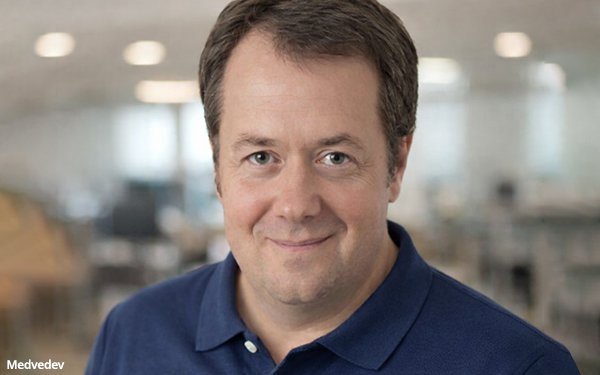
one can clearly explain persist, while arbitrage continues to “dress up as optimization” and inventory resold back to the same sellers who created it still exists, according to Pavel Medvedev, chief executive officer and co-founder of ViStars AI.
These are challenges that protocols have not seemed to
eliminate through technical specifications, explains Medvedev.
advertisement
advertisement
ViStars AI builds programmatic code for in-housing buying solutions.
“None of this exists because the industry
lacks tools,” Medvedev wrote in a LinkedIn post. “It exists because opacity [the opposite of transparent] is profitable.”
That is the reason Medvedev keeps coming back to
in-house management, and believes that in-housing does not “magically make everyone ethical." However, it does remove incentives that reward bad behavior, which means being non-transparent.
When “brands and publishers own their stack,” he wrote, “greed has nowhere to hide” because “you can’t quietly skim margins when the buyer controls the pipes
[or] obscure decision-making when the logic lives inside infrastructure that the owner actually understands.”
When it comes to buying media, Medvedev calls for clear rules, accountable
systems and built-in transparency not promised in a slide deck.
That’s what this industry does, he wrote, but the shift has already begun with ownership over convenience, clarity
over complexity and quality over volume.
Getting a cleaner ecosystem means control “beats greed." Greedy humans are a significant part of the problem, investor David Kohl wrote.
"Too many of the folks who spend money on programmatic ads would prefer not to pay close attention to the details, which makes it even easier for opportunistic (greedy) humans to take money out of
the ecosystem for themselves," Kohl wrote.
Truth speaks volumes about humans.
"Bingo!" Max Kalehoff, chief executive at Adverteyes, wrote in the LinkedIn comments to
Medvedev's post. Adverteyes focuses on growth and return on investments. "The open web adtech community would do itself a favor by caring more about advertiser and consumer value, less the
preservation and efficiency of workflow established 20 years ago, and which continues to cede relevance to walled gardens."
Kalehoff provided an interesting analogy. "The answer is
in our children: they don’t type in “www” to get get answers or entertainment….they type in www when their teachers at school force them to," he wrote.