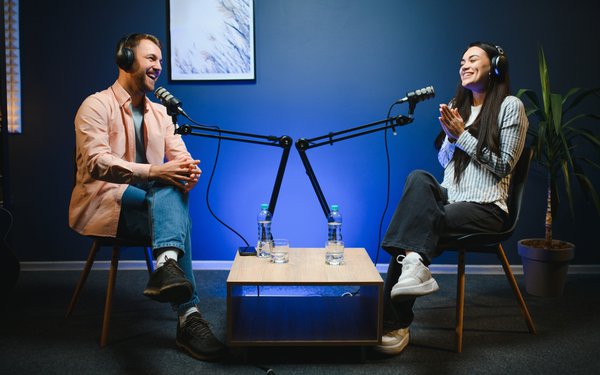
Video podcasts are joining the ever-growing list of new media
competitors looking to pull money away from traditional TV ad dollars.
Those platforms include ever-growing platforms YouTube, Spotify, Netflix and other streaming
services.
Increasingly, the video content may seem to be people talking -- with headsets and real-looking microphones. And there are more formal hosts interviewing
somewhat -- but not always -- recognizable public personalities.
Where are the shifts coming from? Most likely, programs including cable TV news networks, late-night talk shows, or
perhaps even syndication unscripted daytime talk shows.
The advantages are lower cost per impression/viewers along with better targeting that comes from connected TV/digital
platforms. Many hosts offer up in-show readings to camera of their messaging.
advertisement
advertisement
The overall podcast
advertising market in the U.S. is estimated to be $3 billion, according to Digital Applied.
The top four shows are “The Joe Rogan Experience” (with 14 million
viewers/listeners): “Crime Junkie” (at 9 million); “Call Her Daddy” (with 5 million); and “The Daily” (at 4 million.)
Perhaps better for the
business -- especially when it comes to all things streaming -- media buyers are adding in video podcast inventory along amid buys for streaming scripted TV programs.
What about the
downside? This may not be premium video -- a la big-time sports content from the NFL or the NBA. But the good news is it can appear to be in-near real time, or even live.
Another
significant concern goes back to the traditional issues of “brand safety” -- especially for legacy big brand TV advertisers. Unscripted conversation can offer up profanity, hard core,
political comments, or controversial jokes.
And if that isn’t all, many video podcasts have made their way onto traditional TV networks -- cable news networks especially and
local TV stations scheduling.
Many shows can be filling time slots in late night or weekend time periods. Not exactly prime -- not yet.