Connecting performance advertising or marketing to performance cars
may be a conceptual metaphor, but they share some of the same measurable results as optimization and direct links between input and output.
Performance advertising for marketers means
injecting the budget into an ad so it performs and the system delivers actions such as clicks, leads or sales, whereas driving a performance car means the driver pushes the gas pedal and the engine
delivers an immediate response.
Advertisers may think about the time to conversion rather than how quickly the car can go from zero to 60. They may consider pixels and analytics tracking,
rather than telemetry and real-time sensors. Then there's A/B testing or customer acquisition costs.
Branding is like a luxury car. It looks beautiful and builds long-term respect, comfort and
loyalty for the consumers.
advertisement
advertisement
But what happens when the email marketing message is a little off?
Porsche sent me an email marketing message last week, several days after I had called the
Experience Center in Carson, California to ask about booking an appointment to try their racetrack.
The German luxury sports car maker has several facilities throughout the U.S. where you
can book an appointment to have an experience driver take consumers out in one of their cars for a spin.
The 90-minute session teaches adults how to handle the car, among other things. I have
been wanting to do this for years. And now I have a seven-year-old grandson who wants to go with.
The facility will only allow adults to drive in the car with an experienced instructor. I
called and asked two different times on two different days. They will not allow additional passengers in the backseat of the car, which I can understand, based on certain liabilities.
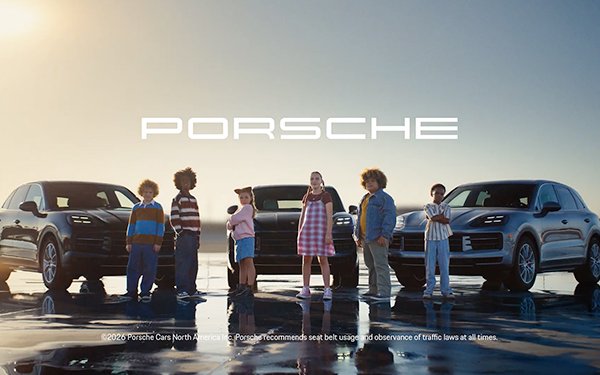
What I cannot understand is the message in the marketing email that came two days later with the subject line "Cayenne vs. The Backseat Riders."
And this is how it read: Six kids. The
Porsche Cayenne. No script.
The email went on to describe how Porsche invited "a group of elementary schoolers to the Porsche Experience Center Los Angeles to share their unfiltered reactions
to a ride-along with a professional driver, and they didn’t hold back."
Somehow the brand’s message got muddled in a disconnect between marketing and the company’s Experience
Centers, where adults can go to experience driving any of the automaker’s models on a racetrack in several locations throughout the United States.
With all due respect to the
marketing team, the consumer needs to dig into the content before understanding the complete message that explains it was filmed with the kids on a closed course using a professional driver.
But that's not the message the viewer reads until getting deep into the campaign.
The whole point, according to Porsche, is that the car has been "engineered for precision
driving most owners will spend a lifetime learning to appreciate."
Since I have owned a Cayenne since 2020, I can certainly say that's the case. I'm just now learning how to use features I
never knew existed.
The marketing team likely thought if they put elementary school kids in the backseat, allowing them to experience the car in a professional way, they would get
"it instantly." "It," meaning the "feeling. The sound. The sheer, uncomplicated joy of performance."
I would not necessarily agree with the message "the purest review of what a
Porsche can do doesn't come from an expert — it comes from the backseat." The purest review comes from being behind the wheel.
Marketers can overthink or underthink a campaign. Then it
misses the mark. No kids in the back seat with the consumers, but lots in the short video made to market the center.
The audience sees one thing and the marketer sees another. The
performance details should be provided up front, whether for a campaign or driving machine.
MediaPost reached out to Porsche and will update the article with any additional
comments.