When is frequency in TV advertising messaging a good thing?
Apparently, data from a new DoubleVerify survey finds that 40% of viewers continue to watch an ad when the ad has repeated.
But does this also mean 60% are not all that happy -- and look
away?
Viewers seem to accept a few repeats -- perhaps one to two times during the same game, according to the study.
That works, with 44% agreeing that repetition positively impacts
brand awareness. But does the other 56% have a problem with it?
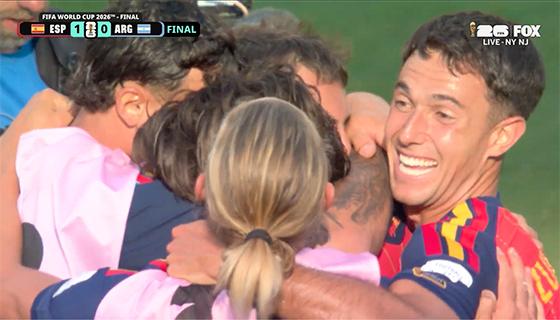
Looking at the recent World Cup event, we can see even more positive points of view.
A soccer match has less
standard TV advertising inventory as compared to live football, basketball, or baseball games. These sports have natural time outs.
Until recently, soccer play has consisted of 45-minute
halves, with no natural breaks. But now with the just-concluded FIFA World Cup, there are two-and-a-half minutes of "hydration breaks" for each half added in here.
advertisement
advertisement
Overall, it is estimated
there is 15 to 20 minutes of traditional video time in these soccer matches.
In addition, both Fox and Telemundo have sold a variety of screen “display” ad messaging and logos as
part of their overall advertising efforts. This included a “squeeze-back,” picture-in-picture, 5-to-10 second sponsored graphics messaging.
One measure shows all this had a
positive effect.
Fox's World Cup posted a much better “attention” score for this live event -- 23% higher than average for the Fox programming, according to estimates from
iSpot.
The attention score also works with observing the "interruption rate."
The interruption rate is the percentage of total TV or video ad views that end prematurely because a
viewer takes an action to disengage before the ad finishes playing.
This comes from data via Automatic Content Recognition (ACR) on smart TVs and set-top boxes that track second-by-second
viewer behaviors during a commercial.
Still, there continues to be a threshold of ad frequency for viewers -- four to five times and beyond -- where "fatigue" typically begins to set in.
So does the World Cup teach us some lessons here?