Mariah Carey will headline the opening ceremony of the
Olympic Winter Games Milano Cortina 2026, a clear signal that the Games’ marketing machine has entered its final push.
With just 56 days to go before opening night on February 6, major
sponsors including Airbnb, Procter & Gamble, Coca-Cola and NBCUniversal are rolling out high-visibility activations that underscore how experiential, creator-driven and globally distributed this
Winter Games has become.
Carey’s booking, announced this week, stands out as one of the most prominent pop-culture moments tied to a Winter Games opening
ceremony in recent cycles.
It also reflects how sponsors are using the compressed run-up to the Games to extend attention beyond competition itself, leaning on entertainment, creators and
experiences to amplify reach.
advertisement
advertisement
That late-stage momentum is most visible in experiential marketing. Airbnb, a top-tier Olympic partner, is offering a slate of
athlete-hosted experiences across 15 sports and seven countries, ranging from skiing and skating to cooking and wellness activities.
Ticketed events include access to figure skating, curling,
ice hockey and alpine skiing finals alongside Olympic legends — including the opportunity to watch skating events with Nathan “The King of Quads” Chen or snowboarding competitions
with three-time Olympian Jamie Anderson.
Coca-Cola, which has participated in the Olympic Games since 1928, is expanding its presence beyond fan engagement
into athlete well-being.
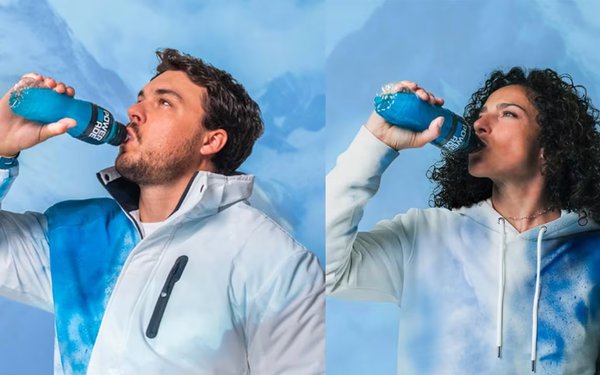
In Milan, the company will activate the Coca-Cola Pavilion and the Athlete365 × Powerade Mind Zone, offering mindfulness sessions, guided breathing exercises, art
therapy and virtual-reality visualization supported by mental-health professionals.
Apparel brands are leaning into both visibility and commerce.
Ralph
Lauren is once again outfitting Team USA for the opening and closing ceremonies — a partnership nearing its 20th anniversary — with a winter-white wool coat and heritage-inspired knitwear
for opening ceremonies, and ski-racing–inspired looks for closing ceremonies.
Both collections are already available for retail sale. Columbia Sportswear, meanwhile, is supplying uniforms
for the U.S. Curling Team and, for the first time, selling replica gear directly to consumers.
Media and creator distribution will also play an outsized
role.Variety reports that NBCUniversal is reviving the creator
collective it debuted during the Paris 2024 Summer Games, partnering with YouTube, Meta and TikTok to give more than 20 creators broad access across platforms.
During the Paris Games, those
creators generated roughly 300 million views.
The Milano Cortina roster includes returning creators such as ATFrenchies, Molly Carlson and Matthew Meager and comedians Matt Rogers and Bowen
Yang, as well as new additions, like podcaster Kylie Kelce.
Travel and payments brands are preparing for the final surge as well. Visa, a longtime Olympic sponsor, expects international travel
tied to the Games to rise sharply as fans finalize plans.
“The journey to Milano Cortina 2026 has already begun — not just for athletes, but for
the fans, travelers and small businesses getting ready to be a part of something unforgettable,” said Andrea Fairchild, senior vice president of global sponsorship and experiential marketing at
Visa, in the announcement. “The uptick in travel reflects more than demand — it shows how the Games inspire connection, opportunity and shared excitement even before the first event
begins.”
Axios reports that Americans are paying, on average, $2,100 for an average ticket at the
games, and that within the U.S., Colorado, Vermont and Alaska residents have led the way in ticket searches.
Meanwhile, Italy is gearing up for what is being described as the “most
geographically dispersed Olympics in history” with athletes competing across 22,000 square kilometers.
The main hubs are Milan, where the Olympic Village will be, and Cortina
d'Ampezzo, with additional venues in Valtellina and Val di Fiemme. Verona is expected to host the closing ceremony, reports Inside the Games.
The economic impact is expected to be vast, with experts estimating that direct and
indirect impact on the national economy will approach €2.9 billion, about $3.2 billion. The events are expected to create 13,000 jobs, with more than 2 million visitors expected to arrive.